One would be hard pressed to find a single rulebook for the Australian Heated Water Code with the same text from one end of the country to the other. While there are national plumbing standards in Australia, they are put in place by each state and territory which may on occasion alter or add to them. The upshot is that compliance for tempering valves, delivery and storage temperatures or any special-use building will vary.
Olivia Redfern has put together this guide in no-nonsense Australian English to make sense of the principal differences. From the National Construction Code and AS/NZS 3500.4 to the Plumbing Code of Australia, we look at what applies to residential and rental plumbing as well as healthcare and childcare facilities. Do not take it as gospel however; before you put in or change a hot water system, have a licensed plumber and the regulator for your state or territory verify the requirement as they do have a way of changing.
National Standards Set The Baseline
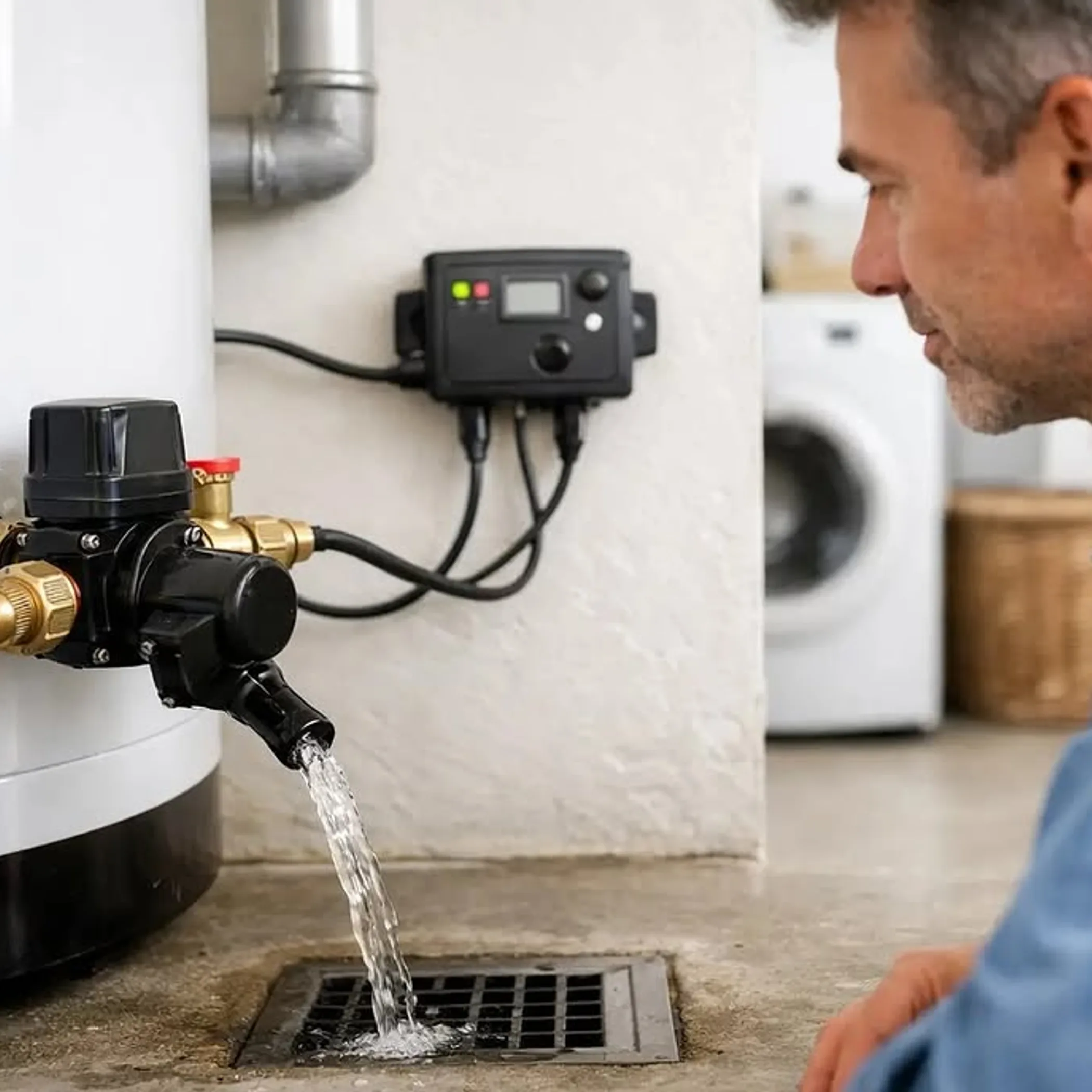
The NCC (National Construction Code) and its Plumbing Code of Australia are where one starts on a national level. For an overview, see the Australia heated water code. For the technical side of installing heated water services there is the AS/NZS 3500.4 standard, part of the suite of Australian Standards from Standards Australia. As for the administration of plumbing and licensing, that is left to the regulators in each state and territory.
The national framework makes a point of distinguishing between two things that tend to get conflated: the temperature of the water as it comes out of a tap or shower and what is being stored in the system. There is a reason for it. To guard against scalding the delivered water can be cooler even though the system holds it at a higher temperature for hygiene.
You will find the national NCC framework at the Australian Building Codes Board’s National Construction Code information. It is best read in conjunction with any approved variations and the plumbing legislation of the applicable state or territory.
Storage And Delivery Are Different
Take a typical household hot water system. Provided the manufacturer and installation allow, you will see a storage setting of 60°C or more to stave off bacterial growth such as Legionella. That is no reason to let a shower run at 60°C, an easy way to make of a morning ritual a medical matter.
Fifty degrees is the usual cap for delivery at personal hygiene outlets in most homes. In the case of childcare, healthcare or certain disability and aged-care accommodation, the maximum is set lower, 45°C being common. It all comes down to the building classification and local jurisdiction.
Why State Rules Can Differ
Because national standards are put into effect via state laws and administrative rules, the water temperature requirements of state plumbing codes in Australia will differ. Regulators will issue their own guidance on matters like emergency repairs, renovations, special premises and the like.
Do not be misled by some online accounts into thinking the variance is great. For the most part jurisdictions adhere to the same safety tenets: use the right control device and limit the delivery while you control the storage. You will find the fine print in who is to be responsible for the work, transition rules and exemptions.
Then there is the climate. An installer cannot use the weather as an excuse to disregard the code, but equipment selection and access will be dictated by the conditions. A system in the Top End in the wet season is not going to be the same as one in Victoria on a cold morning, and one has to factor in cyclone alerts from November to April or power loss due to bushfire, but the duty to prevent scalding remains.
New South Wales And The ACT
NSW for the most part follows the national line on residential heated water, employing controls on the delivery side to avoid scalds. NSW Fair Trading is the authority to go to on consumer issues and plumbing licensing. Where the law deems it necessary, only a properly licensed plumber should do the work.
In the ACT the NCC and plumbing standards are applied under the territory’s own framework. One can go to ACT Planning and Development for information on development and building, but the exact plumbing obligations will be determined by the property and type of work.
What Homeowners Should Check
It is worth ascertaining if the job is a repair, an alteration or new installation in either of these jurisdictions. Putting in a replacement system can bring in requirements that were not an issue with the original. Have the plumber measure the temperature at the shower and the like, do not rely on what the cylinder thermostat says.
With rental properties one should be more than careful. One would be wrong to put the presence of a valve down to the fact that a property has pipework of a modern appearance, whether one is a landlord, tenant or in the role of property manager. The tempering valve may have been bypassed in the course of some renovation, or it can be out of adjustment or simply on the fritz. Check the temperature at the tap for confirmation.
Victoria And Tasmania
In Victoria the national plumbing framework is in force, with state licensing and administration to boot. One might find older allusions to the Plumbing Industry Commission but the Victorian regulator has seen its share of change and such references will not point to the body now in charge. Where there are gas safety obligations or appliances, Energy Safe Victoria comes into play, though approval from them is no substitute for plumbing compliance.
Tasmania enforces the national standards via its building and occupational licensing set up; for information on a plumbing licence one would look to Tasmania Occupational Licensing. A cold bathroom does not give leave to put the outlet temperature over the limit even if hot-water complaints are more of an issue in the weather.
Lessons for Cold-Climate Installation
Whether in Victoria or Tasmania, the speed with which water makes it to the outlet will be dictated by the pipe runs, insulation and circulation. It is not uncommon for someone to put up the storage thermostat because the shower is slow to warm, but that only raises the risk of scalding and does not address the root of the matter, be it a tempering valve in decline, insufficient capacity in the system or an excessive run of pipe.
When hot water is not forthcoming as it should be, let the plumber put the system through its paces: check the delivery and outlet flow, the condition of the pipes, how the valve operates and the storage temperature. More prudent than trying to boil the cylinder like a recalcitrant billy.
How Queensland Requirements Are Met
Queensland for the most part adheres to the national safety model for hot water in terms of installation and controlled delivery. The Queensland Building and Construction Commission is where one goes for building-industry and licensing details. There is also the practical side of things in the north with cyclone resilience and solar systems to factor in on top of high ambient temperatures.
The weather in Queensland is not what sets Australia’s rules on maximum hot water temperature. For residential personal-hygiene outlets 50°C is the usual ceiling for delivery; in buildings of higher risk the classification and conditions of approval may call for 45°C or some other figure.
Renovation Traps in Queensland
Older valves and pipework put in under different arrangements can come to light during a renovation. To put in a new bathroom fit-out and not trouble to see what the temperature control device is doing is to end up with a room that looks compliant but has an unsafe outlet. Have a licensed plumber make sure the valve is properly commissioned and up to the task of the flow rate and easy to get at for maintenance.
For those in areas prone to cyclones, the question of how the hot water system is isolated and made secure in bad weather is an important one from a safety standpoint, if not a means of dispensing with a check on delivery temperature.
South Australia And The Northern Territory
State legislation and building administration in South Australia sees the national plumbing framework applied. Consumer and Business Services is an authority to turn to for licensing and the like. In the Northern Territory the national requirements hold sway in a climate where remote access and the vagaries of the wet and dry season have an impact on any maintenance or installation work.
There can be added logistics to a project out in the NT and the Building Advisory Committee may have some bearing on building guidance. But being some distance from Darwin is no special exemption; a system in a remote community or off the Stuart Highway must have temperature control in order.
Dealing with Remote-Property Realities
It is better to have servicing done before the equipment gives way entirely in the Northern Territory. A minor fault with a valve could mean a long wait for a plumber or parts when the roads are impassable in the wet. Make sure you have the installation records and details of the system and valve to hand; in these parts that is worth more than making a dash across country.
A heat-pump or solar system is not going to act like conventional electric storage so the plumber needs to examine the entire heated water service from controls and temperature relief to the final temperature at the outlet.
What to Bear in Mind in Western Australia
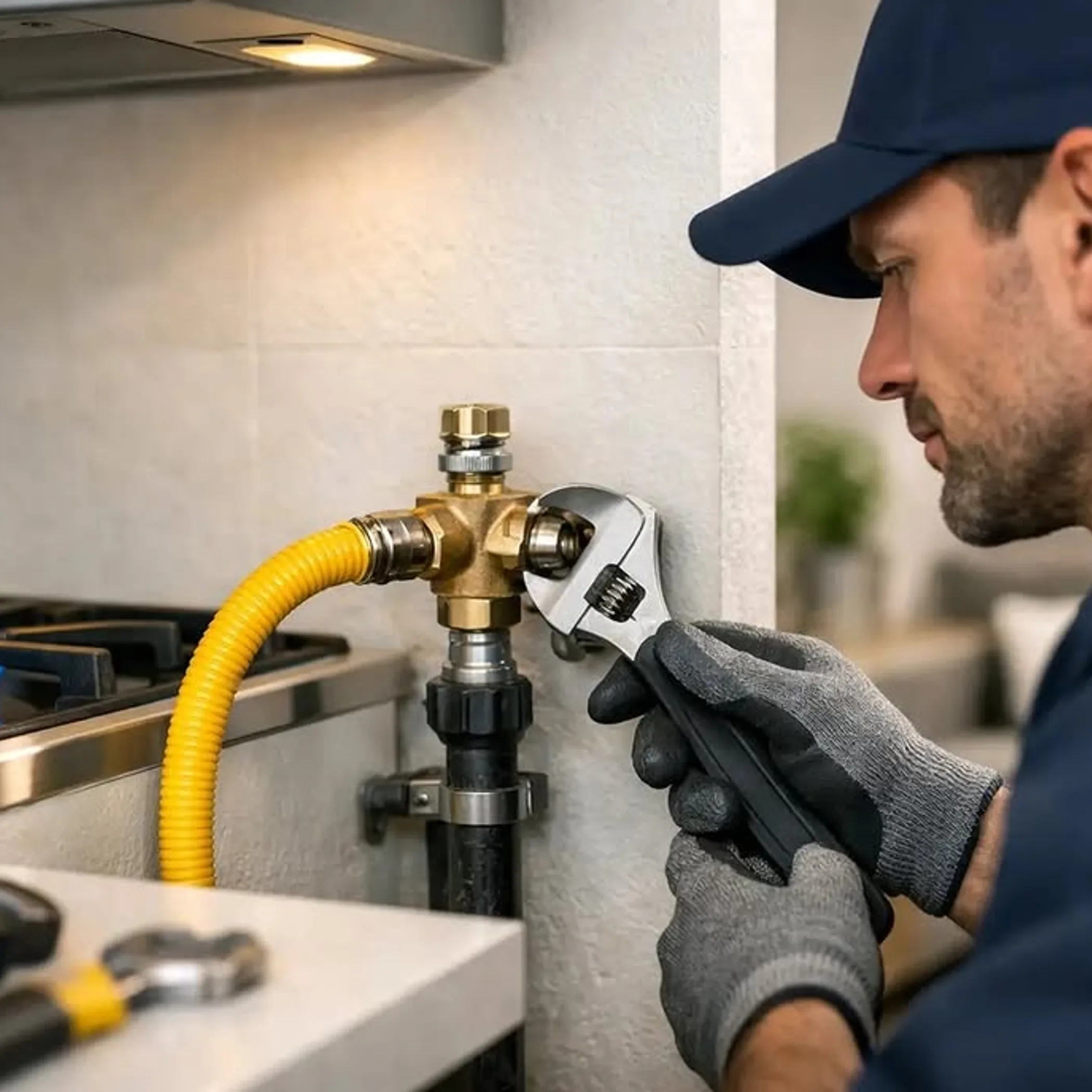
Western Australia puts the national standards in place with state administration from entities such as Building and Energy Western Australia. There are differences in practice between the metro area and the regional centres, let alone the Pilbara and Kimberley.
The fundamental questions remain as to what the user is getting, the classification of the building and whether the controlling device can be looked after. Conditions on the Gibb River Road and the like might dictate when a service can be rendered but they do not excuse testing and commissioning.
Wet And Dry Season Checks
Access and cyclone warnings will dictate how one goes about plan inspections in northern WA. The wet season is apt to put a hold on transport and the trades, and when the heat is on it has a way of bringing out any sub-standard installation or weak components. Down in the south-west you may find that winter demand makes short work of any system with insufficient capacity or insulation in poor repair.
Then there is the matter of not making safe delivery temperature synonymous with energy efficiency. WELS provides information on the efficiency of water-using products but it is not a stand-in for plumbing code nor does it prescribe an outlet hot-water temperature.
Rules By Building And Occupancy
Postcode is less of a consideration than what the building is put to. A private home and a hospital or nursery are not going to have the same risk profile or compliance demands; a temperature tolerable in one dwelling can be excessive in the bathroom of a supported-accommodation facility. This is true of residential and rental plumbing as well as healthcare and childcare.
The following table is intended as a guide to the national way of doing things, not a replacement for the state instrument or building approval.
The question “What is the hot-water system’s temperature?” is asked by most and is the wrong one to be asking. “What is coming out of the outlet where the person is exposed to risk?” is more apposite. One cannot equate storage, circulation and delivery temperatures.
Tempering Valves Control Outlet Risk
By mixing cold with hot a tempering valve will see to it that the temperature at certain outlets is brought down. Where the specification or type of building warrants it, a thermostatic mixing valve is employed for its more responsive safety control.
But the mere presence of a valve does not make it compliant under Australian rules which are dictated by the building classification, the outlet and the like. It has to be of the right size, in the proper place, shielded from damage and properly commissioned and maintained.
A Commissioning Checklist
- Make sure you know the manufacturer’s requirements for the system and its storage temperature.
- Put in place suitable equipment to measure delivery temperature at each hand-washing, bath and shower outlet.
- See that the valve can be got at and has not been bypassed.
- Document the testing, maintenance and installation.
Should a shower go from hot to cold in a flash, do not put up with it as an inconvenience, consider it a fault. Put a stop to use of the outlet if there is any chance of scalding and get a licensed plumber. The injury risk is all too real for the elderly, children or those whose mobility or sensation is impaired.
One-Day Compliance Priorities
Homeowners and property managers looking for a sensible first check on a hot-water issue would do well to begin with the people and the outlet temperature. Have a test of the shower and bath, then the tempering or thermostatic mixing valve and lastly the paperwork and storage system. But this is no licence for unlicensed DIY or tinkering with a safety device. A thermometer will tell you if there is a problem, it will not put a stamp of approval on an installation.
Give yourself enough time for follow-up and access. An inspection of a house might be over quickly but you can expect to need records and perhaps a return visit at an older building or a remote property. As costs are subject to the location, the condition of the valve and other variables, have a written quotation in dollars before you give the nod to anything non-urgent.
Expectation Versus Reality
The expectation is that some national rule will provide the same answer for every property. The national standards are the framework, but one must factor in the influence of state and territory regulators, transitional provisions and building classifications to get the true picture.
It is tempting to think that a scalding issue is put right by simply turning down the cylinder; in fact a delivery-control device of the right type will be called for to manage the outlet while storage temperature stays up. Or with a rental property, the assumption is there will be a tempering valve in compliance. The truth is the equipment could be faulty, hard to get at, not there or put in wrong. Better to test than to make an assumption.
Frequently Asked Questions
What Temperature Should Hot Water Be In Australia?
A 50°C maximum is what you will see applied to most residential outlets for personal hygiene. For premises with a higher risk profile the limit may be set at 45°C or some other figure. It is a matter of the outlet under review and what the state or territory and the building classification dictate.
What Is The Legal Hot Water Temperature In Each Australian State?
You will not find a pithy answer that is safe for every building across all states. The national framework is followed in most jurisdictions, typically capping residential delivery at 50°C and higher-risk areas at 45°C. Put it to a licensed plumber and the regulator to be sure of any state variation or classification.
Are Tempering Valves Compulsory In Australia?
In any installation where the delivery temperature has to be kept in check they are. But the obligation is determined by the jurisdiction, the system and the building. A thermostatic mixing valve might be the order of the day in some high-risk environments.
What Is The Maximum Hot Water Temperature For A Shower?
Residentially speaking 50°C at the outlet is the usual maximum. Childcare or healthcare facilities of a similar nature would be looking at 45°C. Do not put your faith in the hot water system thermostat alone, measure the shower outlet.
Do Rental Properties Need A Tempering Valve In Australia?
That will depend on the applicable building rules, the state or territory and when the property was installed. If the hot water system is being put in, done over, replaced or there is a report of it being unsafe, landlords and those managing the property ought to have the system looked at.
What Australian Standard Covers Hot Water Temperature?
AS/NZS 3500.4 for heated water services, in conjunction with the NCC and Plumbing Code of Australia and any state or territory legislation. The regulator may put out further guidance.
What Temperature Should A Hot Water System Be Set To?
Leave the guesswork out of setting the thermostat. Storage and delivery have their own functions. Have a licensed plumber verify the outlet temperature and the storage setting in line with the manufacturer.
What Is The Difference Between Storage And Delivery Temperature?
One is the temperature within the hot water system or cylinder, the other is what comes out of the tap or shower. The system can store the water well above the allowed outlet level and rely on a tempering or thermostatic mixing valve to bring the delivered temperature down.
Who Regulates Plumbing Standards In Australia?
Plumbing laws, licensing and local requirements are the province of state and territory regulators, even if the NCC and Plumbing Code of Australia supply the national framework. Depending on the area this means NSW Fair Trading, the Queensland Building and Construction Commission, ACT Planning and Development, Building and Energy in Western Australia, South Australia Consumer and Business Services, Tasmania Occupational Licensing or the Northern Territory building authorities. Older information on the internet is not to be trusted without checking with the current regulator.
A word to property owners
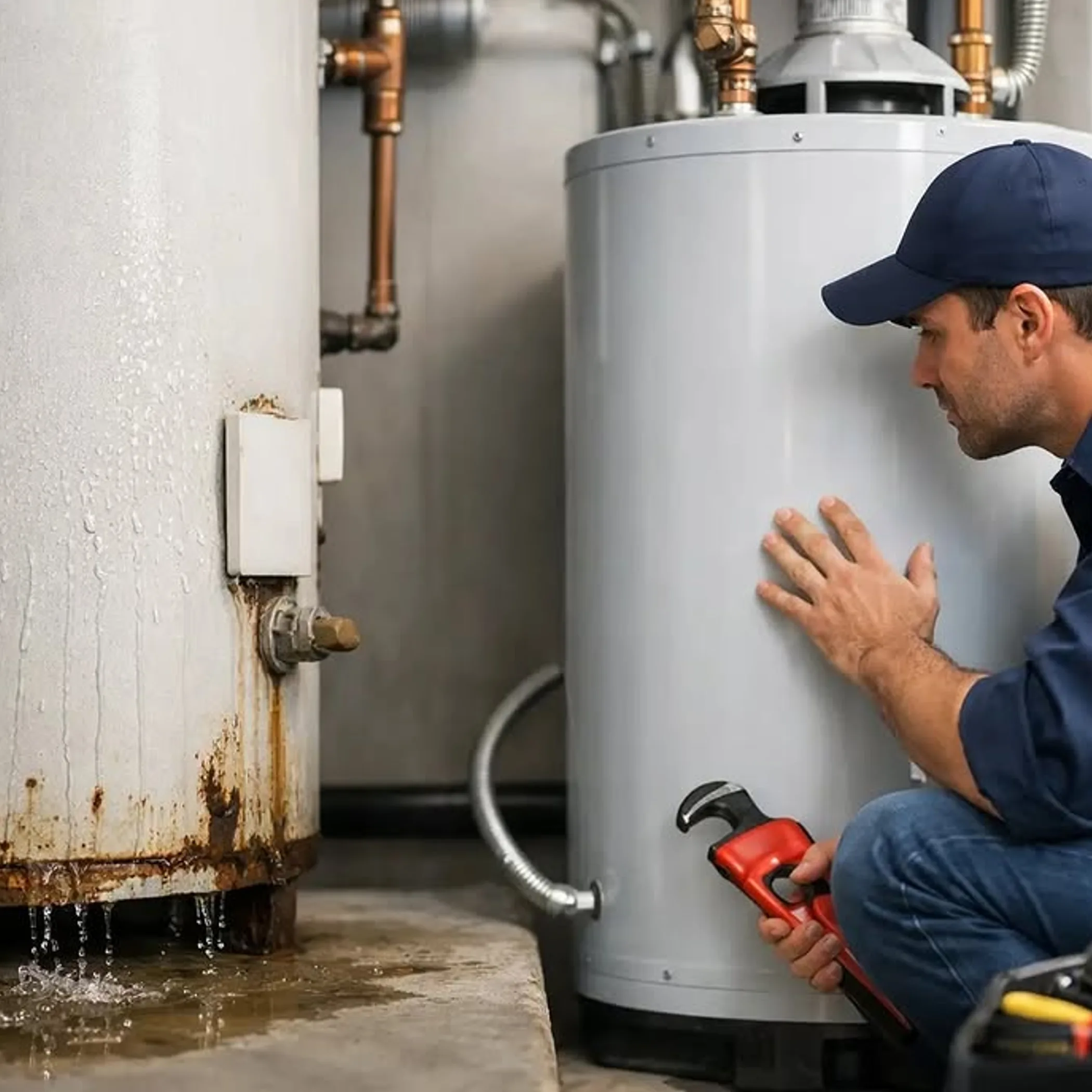
To make sense of the code on heated water in Australia, keep the national standards distinct from how they are administered locally. Make sure the temperature-control device is in order and the building classification is clear, then engage a licensed plumber for the testing, repairs and installation.
This article is intended as a practical overview and should not be considered a legal certificate of compliance; rules and the way regulators advise on them are subject to change. From the Pilbara to Melbourne or Brisbane and Alice Springs, the question of substance is whether the user of the outlet is getting hot water that is compliant, measured and safe.