If one is after a practical way to ensure photovoltaic panels are as productive and safe as they can be, the 2026 Australian guide is where to start. For the majority of homeowners a little routine care and some sensible checks will do; it is only when roof or electrical issues reared their head that professional assistance is called for.
Olivia Redfern here in Melbourne. The weather has a mind of its own before the kettle is even on. And so do our solar systems which have to put up with salt spray, dust, humidity, heat, bird droppings and the odd piece of debris. Get into the habit of basic maintenance and you will stave off faults, preserve your warranty and let your system earn its keep.
What to make of it
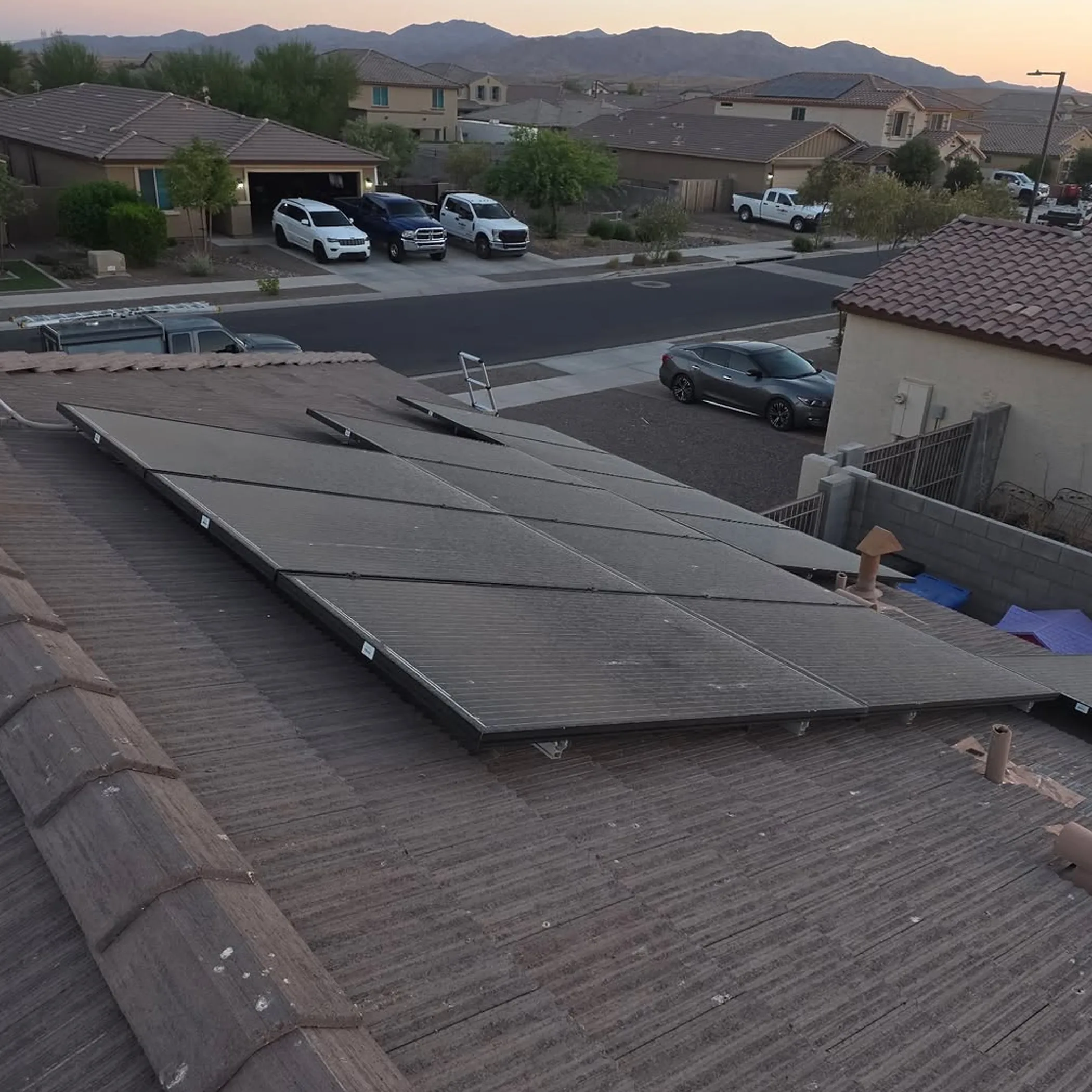
There is nothing overly dramatic about maintaining solar panels in Australia. One does not have to don a bucket and scale the roof like a possum or be scrubbing at the panels every weekend.
A more level-headed method is to do some visual inspection and clean up where it makes sense, monitor performance and have a pro in for an inspection now and then. How much time the system demands is a matter of your roof, the angle of the panels, pollution levels and the climate. Your climate zone cleaning frequency may also vary by region.
Who should be reading this
Homeowners, those with small businesses or landlords will find a useful checklist here. It is worth a look if the monitoring app is putting out strange production figures, the inverter is giving you warnings or you have seen your power bills go up.
That said, this is no replacement for a qualified solar technician or electrician. If the roof is steep, wet, hard to get to or there are overhead lines in the vicinity, stay off it. Safety is paramount, even if the panels are so caked on they could pass for having been left to camp.
Your maintenance checklist
Make it a point to check the system in detail come the season of rain, smoke or dust, and put something in the calendar for after a spell of bad weather. You will avoid costly surprises down the track.
- Go over the inverter display or app once a month for any shutdowns or warning messages you cannot account for.
- From the ground, see if there is new shading from trees or construction work during peak hours. Note any loose cabling, cracked glass, heavy bird activity or debris.
- Have a good look at the inverter area for error codes, heat damage, noise or insects.
- Put all the paperwork in one place: fault records, warranties, installer contact and invoices.
- After hail, strong winds, cyclones, bushfire smoke or falling branches, arrange a professional inspection if damage is possible.
- Put a number to your monthly output; it is better than trusting your recollection.
A 30-day average will tell you more about a change in performance than a cloudy day when any panel would be underperforming.
A case for regularity
Every three to six months a thorough review is in order for most, along with a cursory glance each month. Should you spot physical damage or anything amiss with the roof or energy production, book in a professional.
Do not assume the electricals are in good shape just because the roof looks tidy. An inverter or cable can be at fault while the panels above seem perfectly content.
How to inspect without the risk
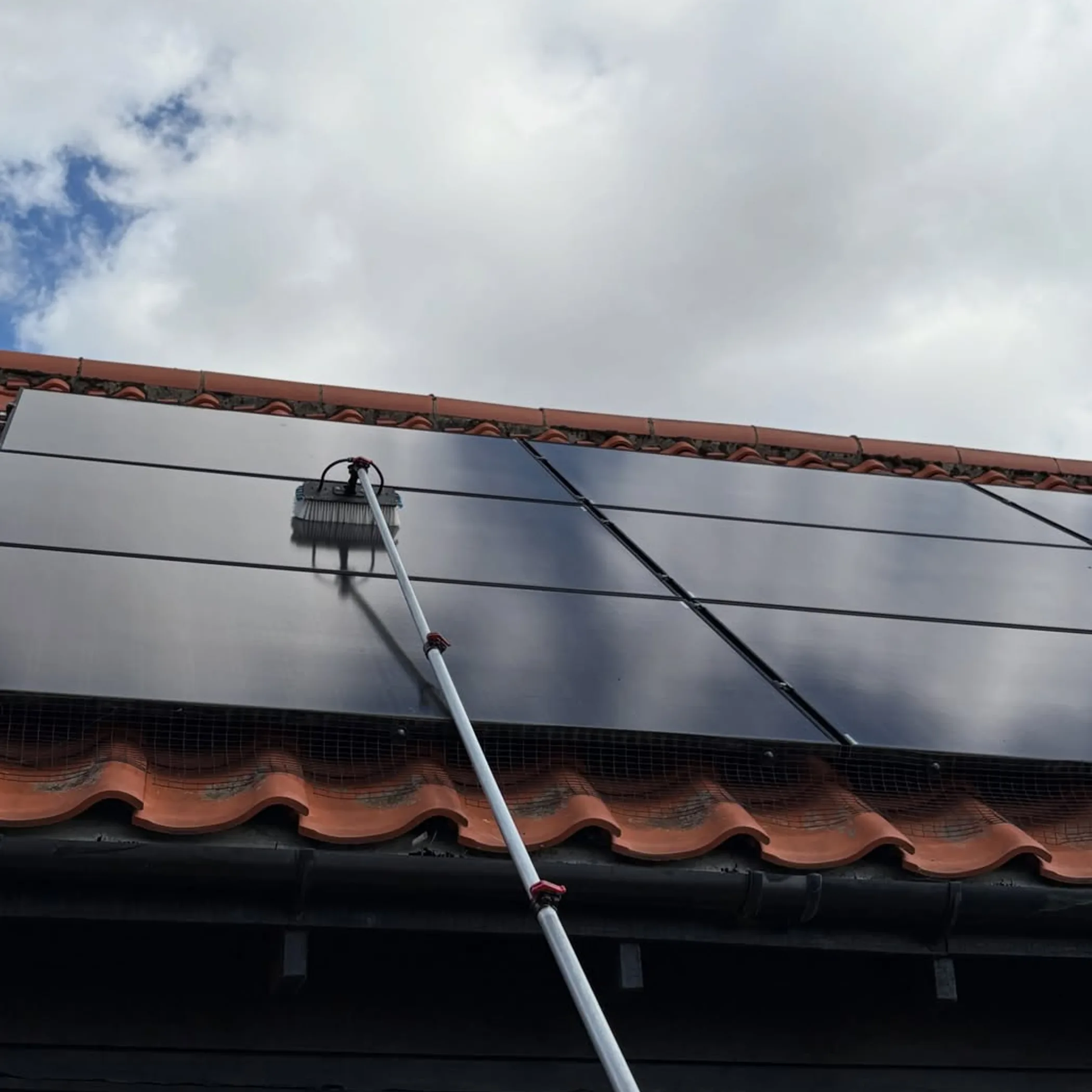
Start on the ground. If a closer view is wanted, put the phone’s optical zoom or a pair of binoculars to use instead of making an expedition of it.
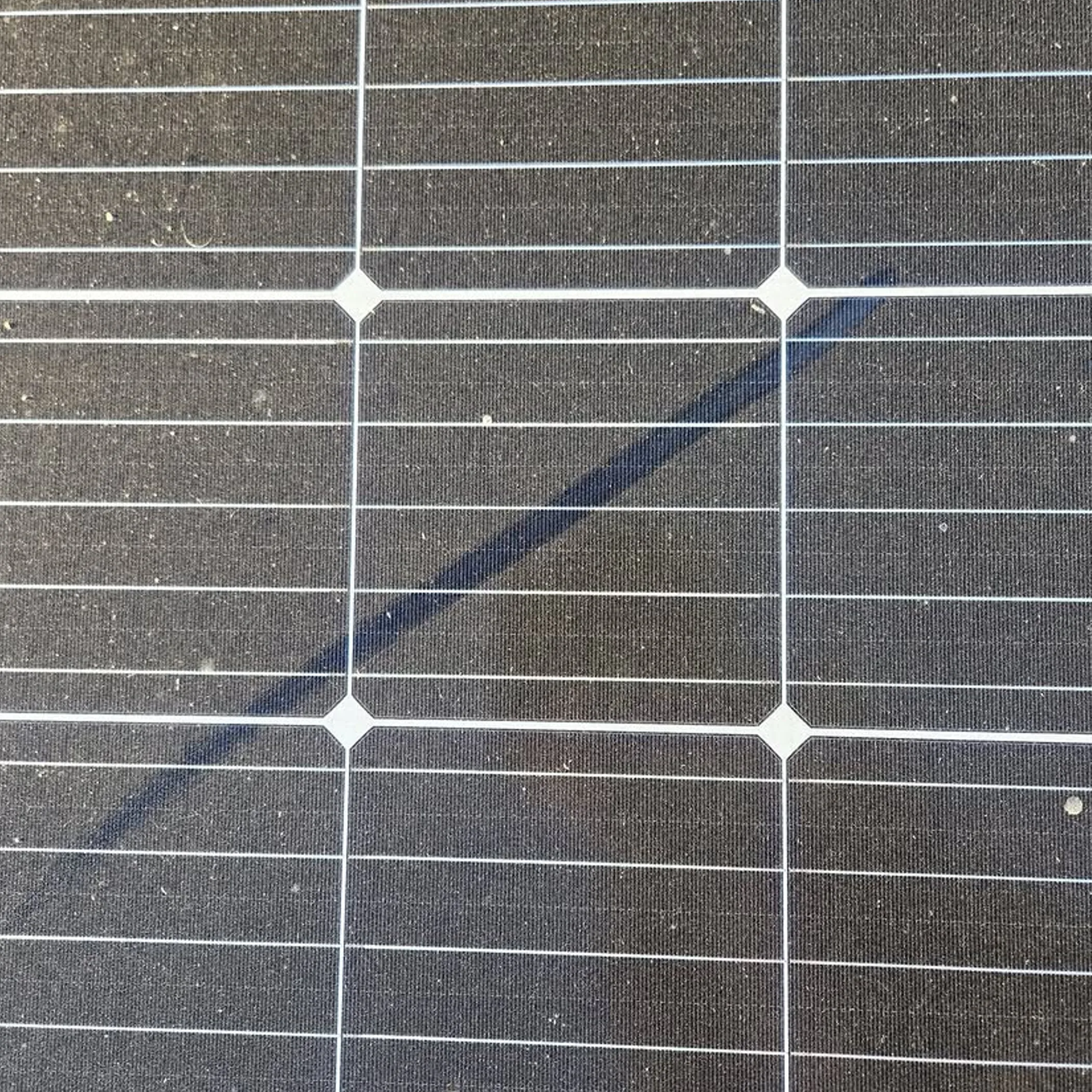
Be on the lookout for burn marks, cloudy areas, cracks, clips that are not tight or a panel out of plane. Any water pooling or rust on the hardware and you have found what you were looking for.
Some things are best left alone
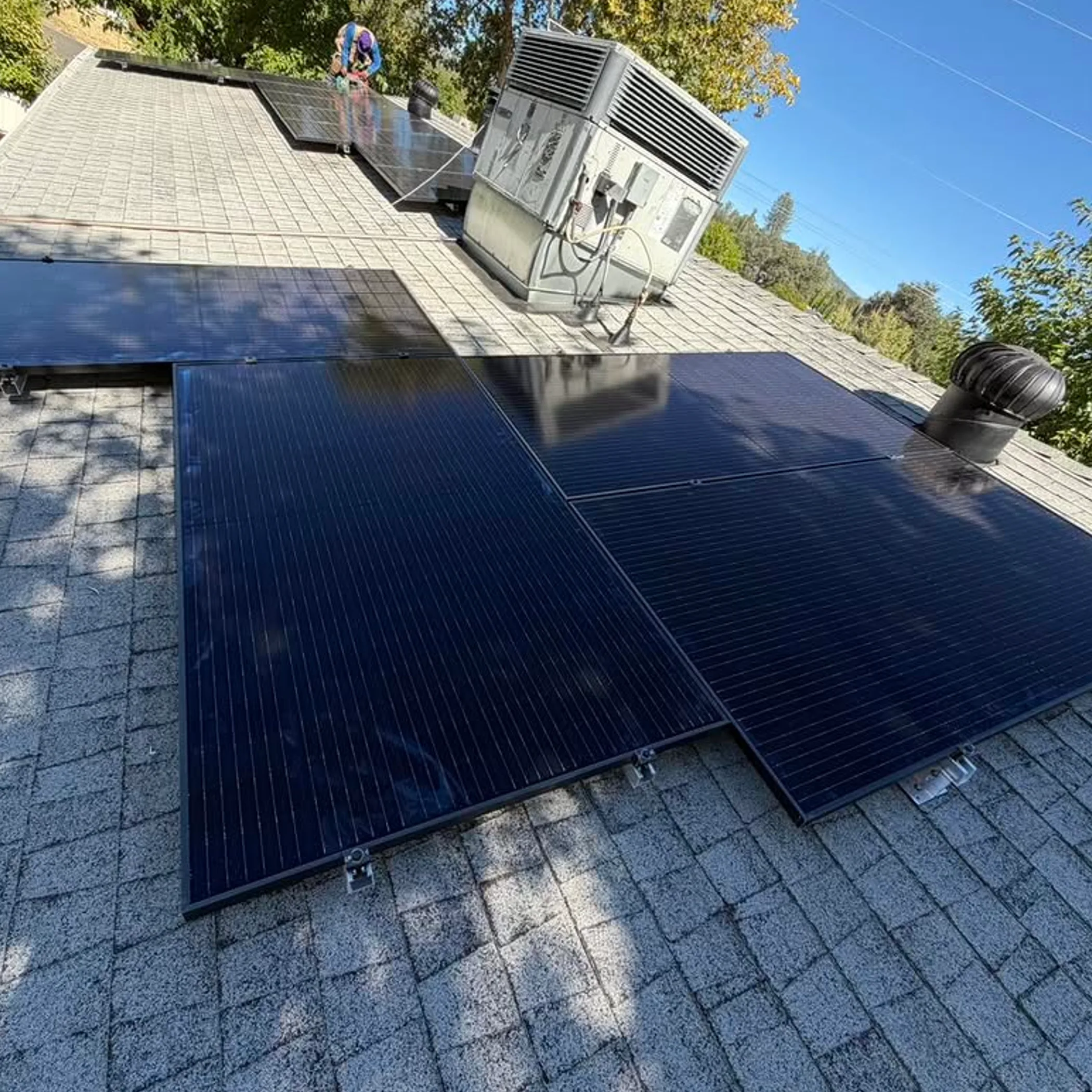
Photovoltaic panels are not for walking on. A minor crack is a fault that will cost you. Do not be hosing down electrical gear or prying open the inverter unless you are trained to do so and the manufacturer says it is alright.
There are genuine dangers in wet tiles, moss, hot metal and a steep pitch. Make for cover in the event of lightning, wind, smoke or suspected electrical trouble. In the north where cyclones are a fact of life, heed the warnings and do not go on the roof between November and April.
Let the system documentation or a licensed person tell you how to switch off equipment in the wake of extreme weather. And if there is arcing, smoke or the smell of burning, stand clear and call the emergency services or an electrician.
The Safe Way to Clean Panels
Bird droppings put a concentrated shade on the panel and dust and dirt will impede the sunlight. Rain is good for dislodging loose dust but in coastal areas it can leave behind mud, mineral deposits or salt.
A gentle approach is the safest one. Do your work from the ground on a cool, uneventful day and adhere to what the manufacturer has put in its instructions. Should roof access be hazardous, put in the money for a professional; there is no point in putting your ankles at risk over a marginally better shine.
Cleaning Made Simple
- Before you begin, see if any panels are in need of repair and have the maker’s guidance to hand.
- From a safe vantage point, a soft brush or some clean water will do for loose debris.
- For anything more tenacious, a non-abrasive sponge or squeegee with clean water is called for.
- Leave the harsh detergents, pressure washers, metal implements and abrasive pads alone.
- When you have rinsed well, let it dry of its own accord or run a squeegee over it without too much force.
- Make a record of the date and in the days ahead review the production figures.
Cold water on a hot panel is to be avoided. The thermal shock is bad for the glass and a hot surface will dry and streak before you are done with it.
Climate Dictates Cleaning
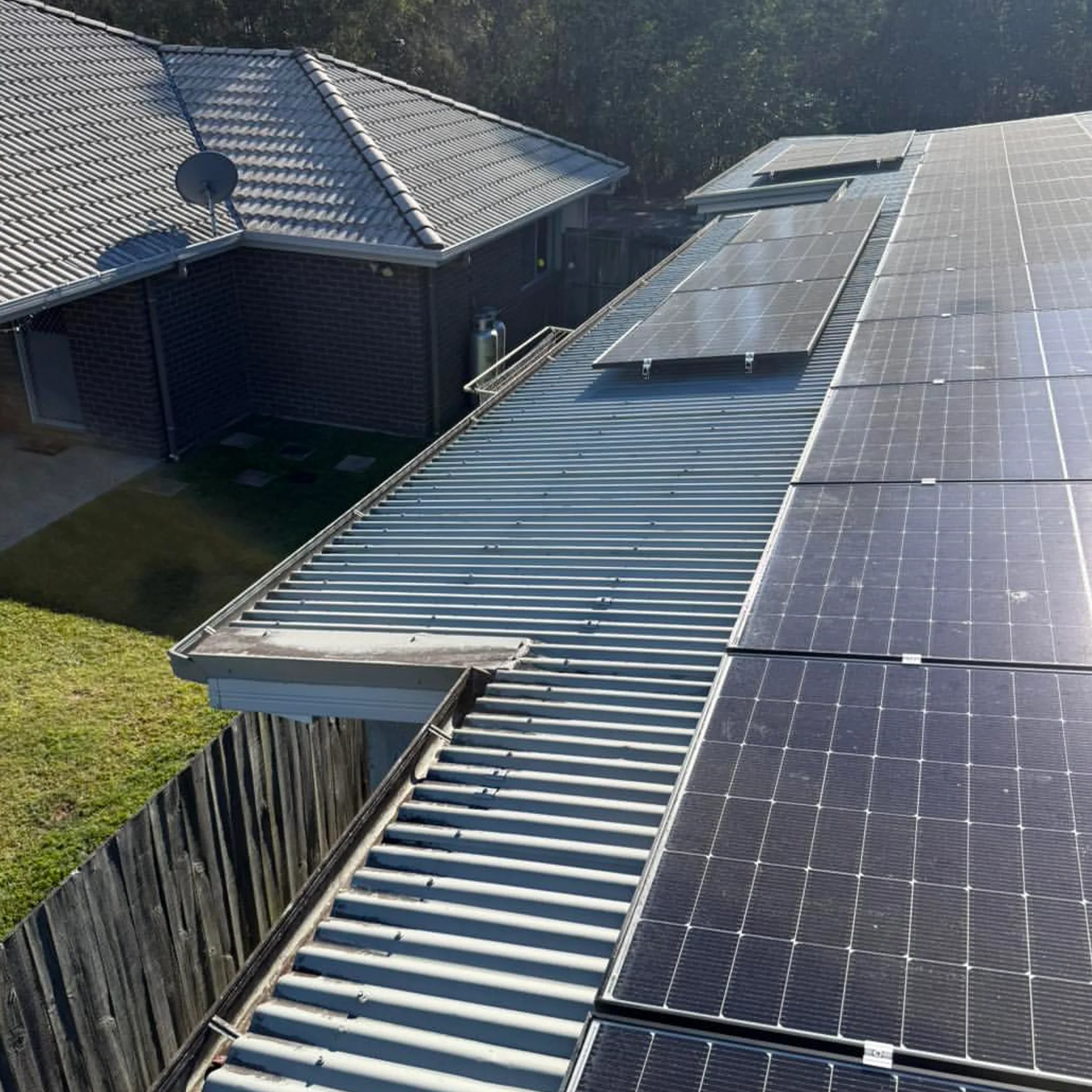
Every Australian home does not have the same solar panel cleaning schedule. A property in the dry inland will have fine dust, in the leafy suburbs one finds pollen and leaves on the roof, and out on the coast rainfall is not enough to deal with the salt spray.
Take the climate zone frequency as a guide and then make allowances for what you see on the roof and in the output. The table below offers some planning ranges, not hard and fast rules.
| Australian setting | What is likely to build up | A practical review |
|---|---|---|
| Coastal suburbs | Humidity grime, sand, bird droppings, salt spray | Evident residue or loss of output calls for a clean; inspect three to six monthly |
| Dry inland | Wind-blown debris, pollen, fine dirt and dust | After a dusty spell an inspection is in order; a clean every six to twelve months or so |
| Urban centres | Shading from new development, leaves, dust and traffic residue | Three to six month inspections, in proximity to main roads in particular |
| Tropical north | Insects, storm debris, mould-like residue and heavy rain | Inspect in the wake of severe storms and at either end of the wet season |
| Bushfire country | Fine particles, ash and smoke | If the residue is of a heavy nature, seek professional opinion; check after any exposure |
For official climate data the Bureau of Meteorology has its Australian climate and weather information. Rely on local conditions, in the Top End, Pilbara or Red Centre and the wetter south, instead of a rigid calendar.
Do Not Put Stock in the Rain
Rain will get rid of loose dust but not an oily film, baked-on dirt or salt. One can have a week of rain and the panel under the tree will still want attention. I was not so much taken aback by how dirty they got when I took an interest in roof maintenance in Melbourne, but by the insidious way the grime builds up, easy to put aside until the app on my phone made the pattern plain to see.
Inverters And Batteries
With a solar inverter it is a matter of making sure the equipment is ventilated, dry and not cluttered. It should not be walled off with stored items or have laundry heaped on it. Look for fault codes or odd temperature warnings on the display. Under no circumstances open the casing; an electrical fault is as dangerous when the sun is obscured as any other time.
Batteries require a little more care
Batteries require a little more in the way of care. They must be kept in accordance with the installation requirements and have adequate ventilation and flood protection. See that children and pets are not in a position to tinker with switches and cables and keep combustibles at a distance.
An unusual odour, swelling, a leak, an unexpected noise or a serious warning from the battery means people should be kept at arm’s length and the installer or a technician contacted. Improvising a fix with some tape and optimism is not the answer.
Monitor Performance to Head Off Trouble
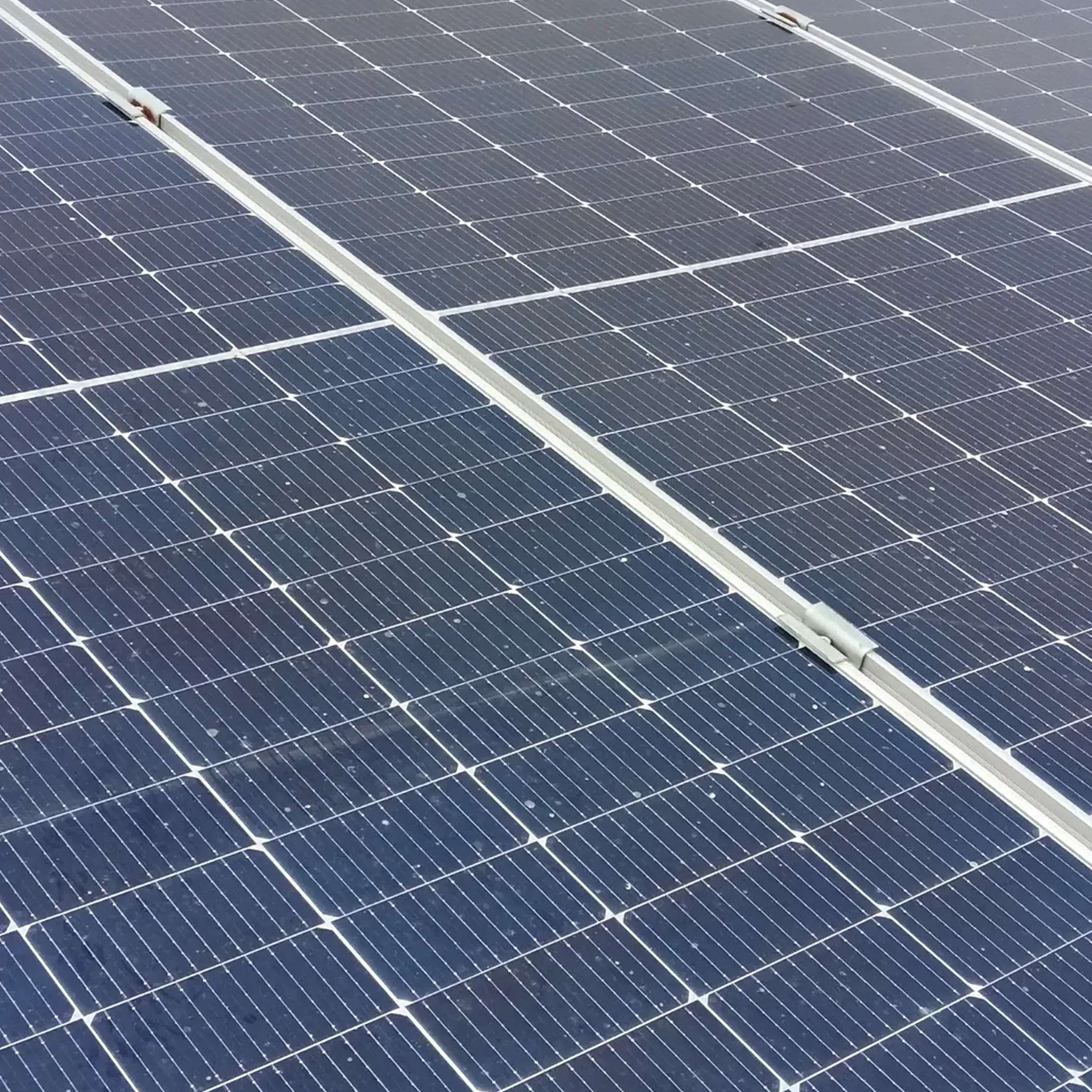
There is a difference between a seasonal shift and a fault and monitoring will tell you which is which. Do not form an opinion on the basis of a cloudy day, look at the historical pattern and compare like with like.
Heat, cloud cover and shorter days in winter will affect energy production. But where a drop in output is persistent and cannot be put down to the weather or a new obstruction, it warrants a closer look.
Use Meaningful Comparisons
The monitoring app should be consulted to see if it is giving a read on every panel or the inverter in its entirety. Where the system offers panel-level data, an underperformer in comparison with those around it could be indicative of a module fault, shading, a connector problem or simply some dirt.
Then there is the matter of a steady 10 to 15 per cent drop off from what would be expected in like conditions and stable weather; that is as good as a warning. It does not mean the system has failed across the board but is an invitation to troubleshoot. The installer will have to put the numbers in context of the warranty, age and capacity of the system.
Fix Common Solar Problems
Troubleshooting is best done by way of simple observation first. Is the inverter running? Any warnings on the screen? Has there been a blackout at home? Are the isolators where they ought to be? One should not be in the habit of resetting equipment over and over without knowing why.
It is not uncommon for new trees, building work or satellite gear to cast a shade. Nor are you likely to be without bird droppings, inverter faults, tripped protection, bad cables or a monitoring connection that has given up.
Call A Professional Early
There is no substitute for a professional solar technician when it comes to roof work, unexplained losses in production, water ingress, a burnt smell, exposed wiring or cracked glass. Put in a call and request a report with test results or photographs, a written scope of work and, where it matters, the licence details of the technician.
A lot of people are under the impression that a system which has ceased to produce is harmless. That is not so; any light on the panels will make electricity. Cables and connectors must be regarded as live until someone qualified has made them safe.
Budget For Maintenance Costs
In Australia the cost of maintaining solar panels is a function of many things: the size and location of the system, how high the roof is, the state of the panels and whether one needs cleaning or electrical testing done. You may get a ground level assessment for nothing as part of another job, but fault finding and getting on the roof will add to the bill.
To plan ahead, a residential panel-cleaning visit of a straightforward nature runs in the region of AUD 150-350. Expect to pay AUD 200-500 upwards for an inspection that involves electrical testing or hard to reach areas. Scaffolding, crane hire, battery work and parts can be considerably more expensive.
Get a quote in writing to start with and make sure it covers travel, GST, repairs, cleaning and the like. A low figure that makes no allowance for roof access is not cheap, it is just in disguise.
Protect Warranties And Safety
Put away the serial numbers, invoices and all the original documentation from the installer. Some warranties will want proof of maintenance in line with the manufacturer’s instructions or that the electrical work was done by the proper person and with approved components.
An unqualified cleaner should not be left to take down panels or disconnect anything. Enquire as to the effect on the inverter, batteries and panel warranties. The Clean Energy Council puts out consumer guidance that is useful in vetting an installer and his credentials before any work is authorised.
One-Day Maintenance Plan
For a day’s work, start with the app and do an inspection from the ground, putting a camera to anything that stands out. If the manufacturer is amenable, clean the panels you can get to on a cool day, otherwise put in for a professional. Make safety and production figures your priority, not tidiness. There is no virtue in a dangerous climb on the roof for the sake of a spotless panel.
Frequently Asked Questions
I put these answers together for the questions I am asked most by homeowners in Australia, though the right course of action is dictated by local conditions and the documents for your system.
How Often Should Solar Panels Be Cleaned In Australia?
Three to six months is the rule for an inspection; clean if there is residue or a decline in output to warrant it. A coastal or dusty property will demand more of your time than a well sloped suburban roof.
Is Solar Panel Maintenance Necessary?
You need it, but more in the way of light maintenance than constant servicing. Visual checks and prompt repairs from a pro will do much to safeguard your warranty and energy production.
Can I Clean Solar Panels Myself?
Provided you can remain safely on the ground and the manufacturer has no objection, you can. But do not go near electrical equipment or put a pressure washer to it, and leave an unsafe roof to the professionals.
Does Rain Clean Solar Panels?
It will wash away some of the dust but not salt spray, oily marks or bird droppings. Do not assume a shower has done everything, look at the production and the panels.
How Do I Know If Panels Work Properly?
The inverter display or app will tell you. Watch for error codes or a panel that is not keeping up with the rest. An unexplained and persistent dip in performance is something to have a solar expert look at.
How Long Do Solar Panels Last In Australia?
They can be productive for decades but the output will wane and other bits will require attention. Do not trust a generic figure for lifespan, have a look at the product warranty and the quality of the installation.
Keep Solar Maintenance Simple
Practicality is key to any checklist: monitor, inspect from below, give the inverter and batteries due care and for anything to do with the roof or electrics, ring up a professional.
With the diversity of climate in this country there is no single schedule to follow. Factor in the humidity, the dust, bushfire smoke and the odd extreme spell. Attend to it and you will find your system is safer and more dependable, and you will not be caught out by a bill wearing steel-cap boots.