It is a matter of practicality when it comes to the Great Barrier Reef: put a premium on undisturbed boat rides and water of a clarity you can see through, or opt for something quieter and warmer? The consensus among travellers is that the dry season, May through October, is the time to be snorkelling the reef. One can have fine days on the reef in the wet season (November to April) but there is more of an element of chance with the weather, tropical downpours and humidity; flexible planning is called for.
Olivia Redfern here. I have come to appreciate that a degree of humility is required in the tropics. What the forecast has in store at breakfast may be all smiles, only to put a spoke in your wheel by lunch. The season will make itself felt in the temperature of the water, sea state, what you see of the marine life, the number of other people about and even the safety protocols in place. In this guide I set out the facts of the matter so as to help you pick a trip within your means and swimming ability, and one that does not try your nerves.
A Comparison Of The Two Seasons
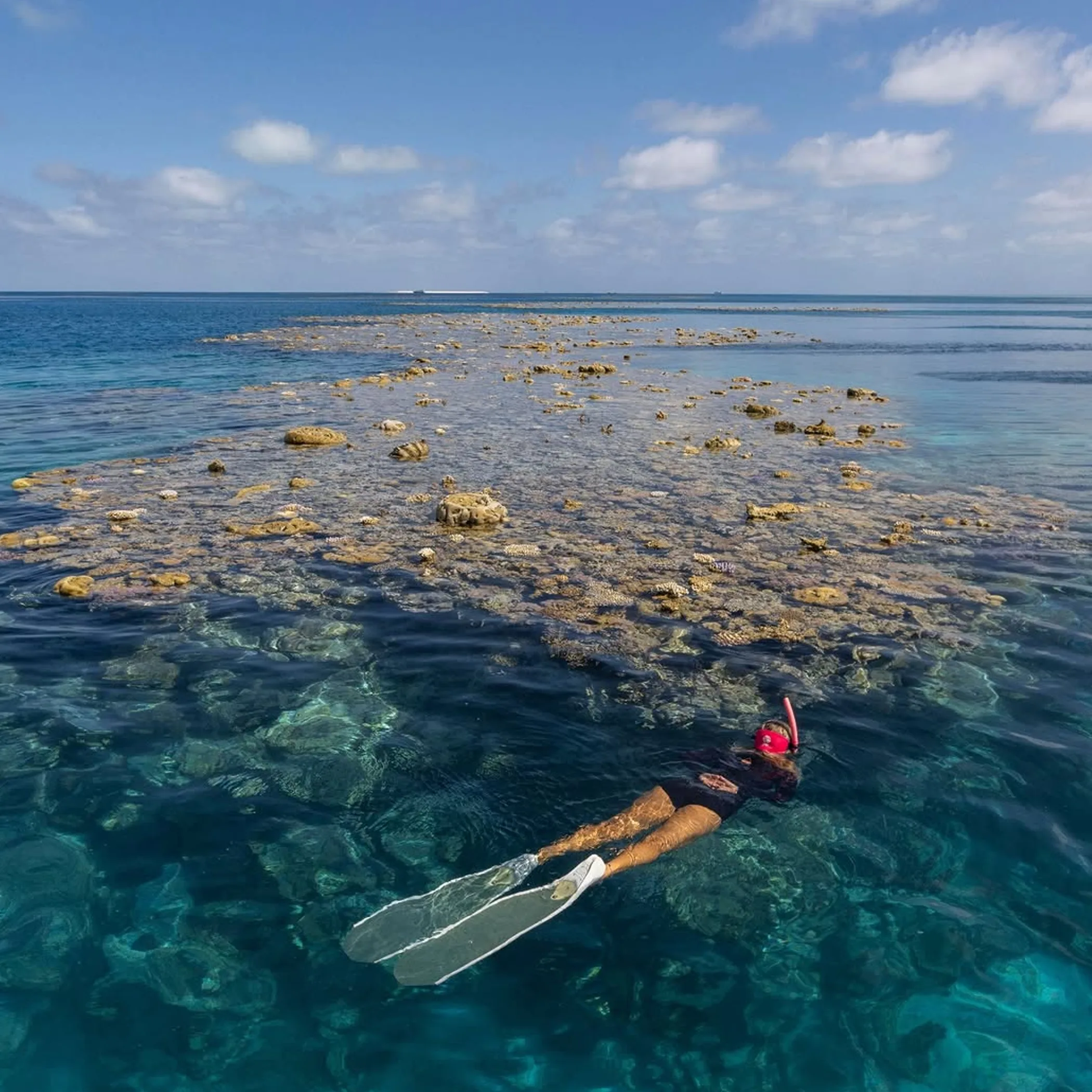
You could say the Great Barrier Reef is divided in two, each travel season accounting for 50 per cent of the year. Then there are the dry season (May to October) and the wet (November to April). Such nomenclature is indicative of the climate but do not take it as a promise that every day will be model behaviour.
First timers will find the dry season to their liking for the lower humidity and the prospect of a more agreeable passage on the boat. For more on seasonal snorkeling conditions near Cooktown, see this guide. If you are amenable to having to change things around and would rather have some space from other visitors and warmer water, the wet season has its merits, not to mention better value on tours and lodging.
| Factor | May To October | November To April |
|---|---|---|
| Weather pattern | Less humid and cooler for the most part | Wetter and hotter |
| Sea conditions | For the most part calm, though trade winds will have their way on occasion | Unpredictable, rough weather and storms are in the offing |
| Water temperature | Cooler and comfortable, later in the season in particular | Warmer, less of a chore for an extended swim |
| Visibility | Favourable on a still day out on the outer reef | Excellence is possible if rain and runoff from the coast don’t get in the way |
| Marine life | Turtles where they should be, humpbacks and coral activity | Coral spawning, turtles and the odd warm-water creature |
| Crowds | Expect them in popular periods and school holidays | Not as many, unless it is Christmas or Easter |
| Planning style | Put in a booking for the good departures | Be prepared to check the weather and adjust |
Snorkelling In The Dry
For those whose idea of a good time involves no surprises in the logistics, the dry season is the surest bet. The seas are calmer from May to October which is welcome for anyone inclined to motion sickness, and the lack of humidity means an early start is not quite so trying.
Do not mistake it for being flat as a pancake. You will encounter chop from the trade winds on an exposed crossing to the Whitsundays. But the operators have the advantage of a longer string of days to work with and the outer reef will be in better shape than a coastal site.
The feel of May to October
There is a nice equilibrium of air and water in May and June. July and August draw the crowds who want the drier clime, and you will see the effect on tour prices and what is left for last minute bookings. September and October are fine options, though you may notice the humidity picking up in October with the wet season in the wings.
As for the water, it is a personal thing. A wetsuit or stinger suit is the order of the day for many to avoid sunburn or a scrape on the reef or equipment; a confident type may well do without. You can forgo looking the part but a lobster-red back is hardly worth it.
Some tips for the dry season
If you are in Cairns or Port Douglas in the school holidays, get in early for an outer-reef excursion. See if the operator has a semi-submersible or glass bottom option on the itinerary as wind might rule out some activities. Allow yourself enough time at the marina or port for the boat ride and the usual safety talk. Departure points should be ascertained in advance and you might want to put in some extra time for parking if you have mobility aids, prescription goggles or medication with you. It is no way to appreciate a locked gate to be late at such cost.
Snorkelling In The Wet Season
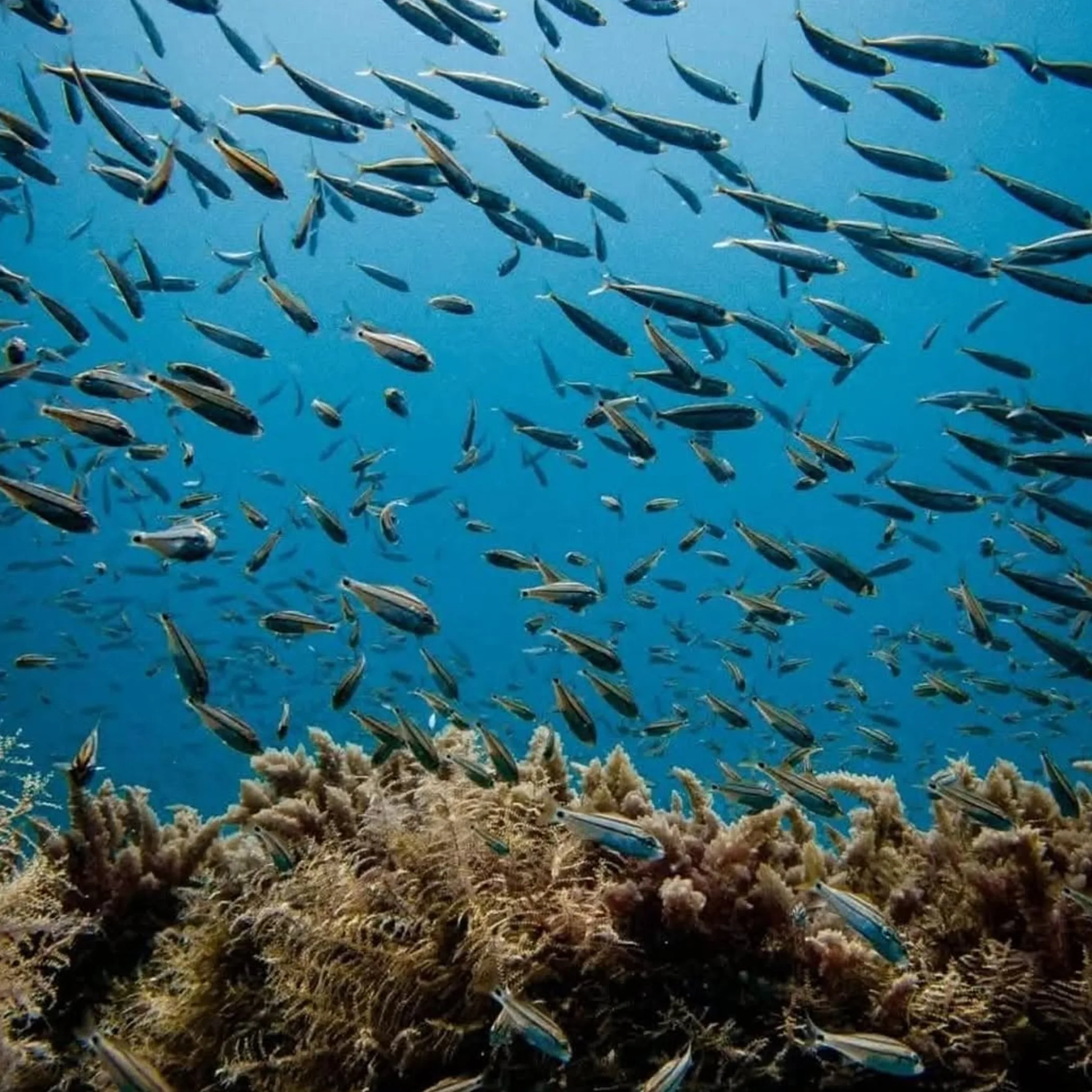
The weather co-operating can make for some fine snorkelling on the Great Barrier Reef in the wet season. One will find the water warm and the tropical days bright from November through to April, which is as good an invitation to go for a swim as any. And save for the Christmas and Easter periods, there are not as many people about.
Then again, variability is the rub. A tropical downpour comes in quick and hard, and one has to be prepared for storms or wind to put paid to a trip or at least cut it short. After a good deal of rain, runoff from the coast will impact the visibility of the water in inshore sites and around river mouths and mainland beaches. Not that the whole of the reef becomes opaque; it is very much location dependent.
What To Make Of November To April
As the wet season gets under way, November and December tend to be hot and humid, if a bit unsettled. You would expect the heaviest rain in the Cairns area in January and February but the intensity is not set in stone. March and April may see their share of wetness but for all that there are some clear, warm days.
In northern Queensland cyclone alerts are to be taken note of. Severe weather can disrupt things like marina operations and coastal access, not to mention transport, far from the reef. Should your operator call off a departure or alter plans, do not make light of it. The ocean is not in the habit of giving out prizes for bravery.
A Booking Strategy For The Wet Season
Make room for a day or two of flexibility in your schedule if you are intent on snorkelling. That is the best way to be able to rebook when the sea is up or the rain has spoiled the view. As for travel insurance, do not think of the policy as some sort of financial panacea; read what is excluded and make sure it applies to your circumstances.
An established operator in Cairns will have their policies on cancellation and the weather laid out. In the Whitsundays enquire as to how sheltered the locations are and what the crossing is like when the elements turn. Out by Cooktown and the Daintree Rainforest a delay due to the weather is more of an inconvenience given the distances, state of the roads and paucity of services, so have your return transport and accommodation and fuel sorted.
On Visibility, Wind And The Sea
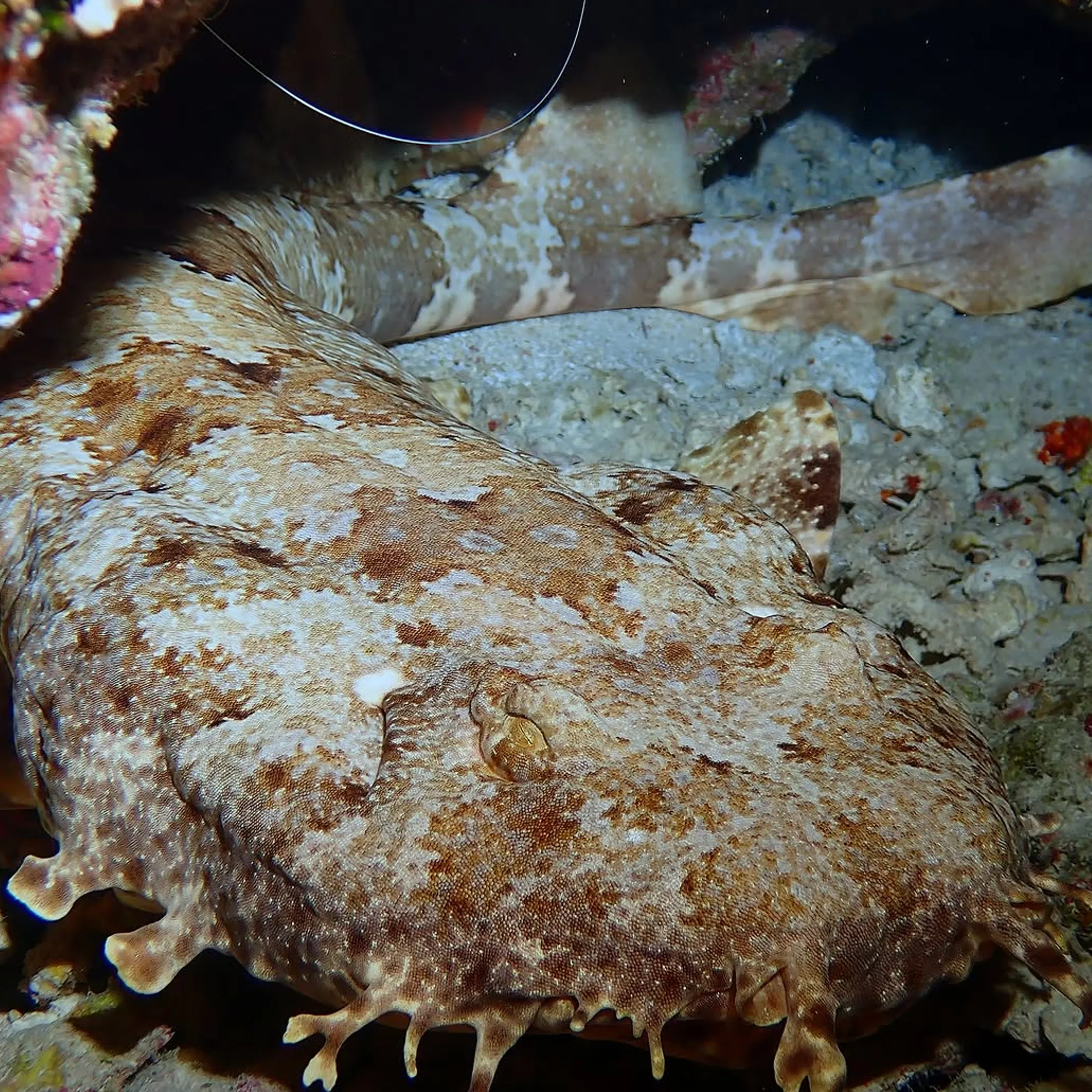
Tides, currents, swell and recent runoff from the coast will all factor into the visibility of the water. The season is a guide but it will not tell you what you are going to see through your mask.
You will get clearer oceanic water at the outer reef than inshore after a rain, but getting there entails a longer and rougher ride on the boat. Seasick? Consult a doctor or pharmacist on the right medication and make sure you are not dehydrated or nursing a hangover when you arrive.
Expectation Versus Reality
One might think the dry season affords perfect visibility day in and day out. In fact the wind has a way of churning the sea and each site on a given trip can be different. Or that the wet season precludes good snorkelling. Offshore, a calm day following a lull in the weather can be wonderful. Let the marine forecast and the operator’s own observations be your guide, not the calendar.
I have been guilty of the error of building my reef travel round one “perfect” day and having nowhere to go from there. An optimistic screenshot of a forecast is no substitute for an itinerary with give and take. They are not to be taken on oath.
Marine Life
There is no shortage of it in either season on the Great Barrier Reef. Turtles, rays, fish and reef sharks are not some seasonal ornamentation that vanishes with the turning of the page. What you spot is down to luck and conditions as much as anything.
The dry season is conducive to a long surface swim and humpback whales can be seen in the northern waters while they are migrating. With turtle nesting and hatching there are local cycles to be had, and a responsible operator will put you in the picture on how to see them without being a nuisance.
Wet season has its moments too, like coral spawning when the environmental cues are right, say after a full moon. But do not count on it as a show put on for you. Nature does not have a ticketed curtain call.
Choosing A Reef Location
For a first-timer, Cairns is a sensible base with the broadest selection of day tours. One can get to the reef and Daintree Rainforest from Port Douglas but be sure to factor in some realistic travelling time from one activity to the next. The Whitsundays have their appeal for mixing coastal and island itineraries with a reef trip, though the wind on a boat can put a different spin on things.
Then there is Cooktown. Being more out of the way it is well worth it for the traveller who does not mind covering greater distances and has no need for last-minute alternatives. A tight schedule that involves the Daintree or some of the remote coastal roads should only be put in place after you have looked into the seasonal snorkeling conditions in the area.
Stinger Season And Safety
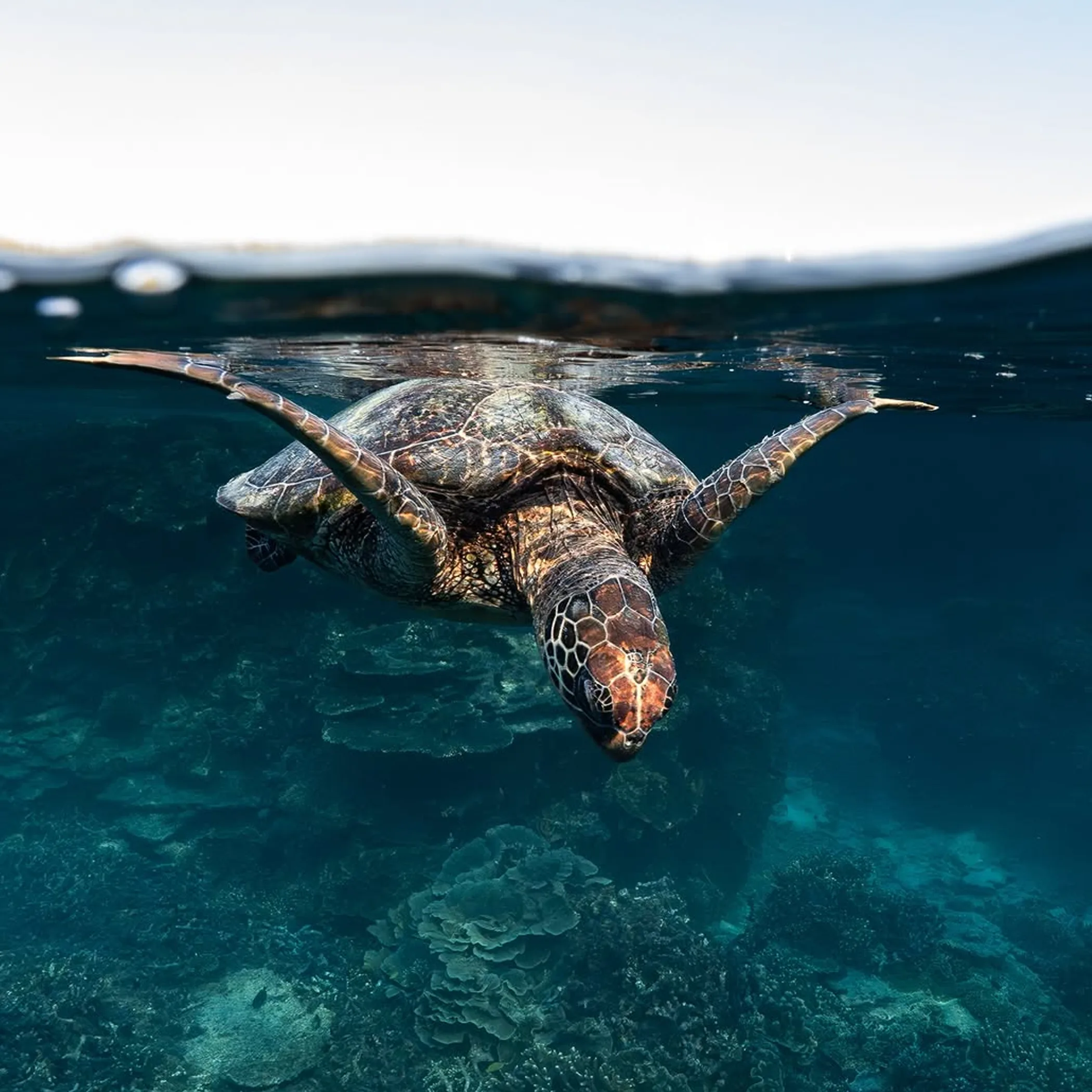
The warmer months see the Great Barrier Reef stinger season in full swing, say November through May, but marine stingers are not unknown at other times of year. Box jellyfish and their like will have an operator insisting on a stinger suit in some circumstances.
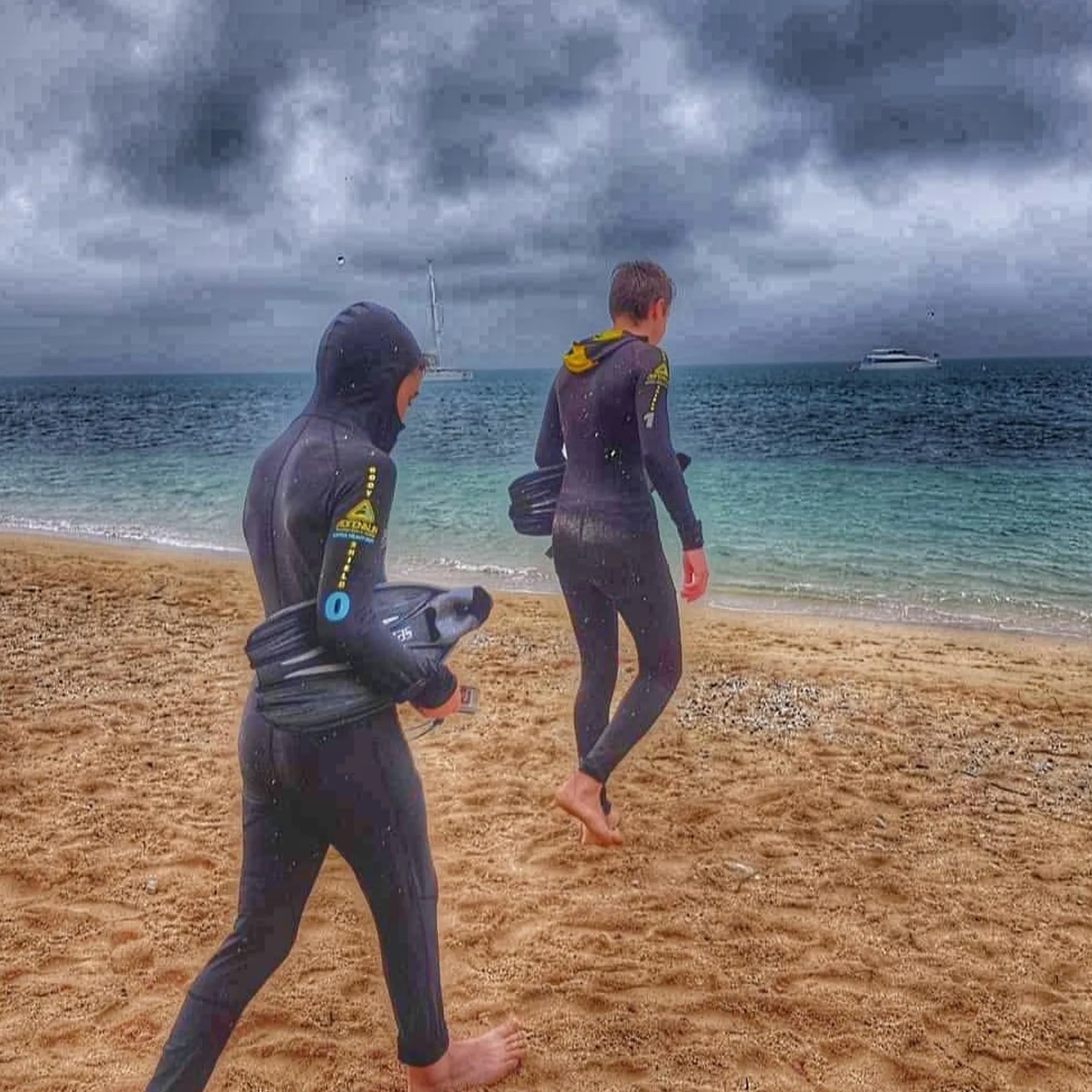
Any snorkelling safety on the reef is down to the operator’s briefing to begin with. Heed their advice and put on the flotation gear, remain in your area and put no hands on the coral or wildlife. Should you become cold or unwell in any way, make the crew aware. A stinger suit is protection of a sort but do not mistake it for a force field.
- Prior to setting off, look over the operator’s cancellation policy and the marine forecast.
- Apply sun protection of the reef-safe variety and reapply when done with a swim; cover up on the boat.
- Under no circumstances are you to leave the crew or the supervised area without saying so, nor swim by yourself.
- If something catches your eye, be it a turtle, a shell or a jellyfish, leave it alone.
- Staff should be made privy to any medical issues, medication, pregnancy or if one is not a confident swimmer.
In which case opt for a tour where there are lifeguards and proper supervision. Those with a serious condition would be wise to consult a doctor before making a booking. A person with little fondness for being on a boat might be better served by a sheltered itinerary even if it means missing out on some of the reef.
Crowds, Prices And Availability
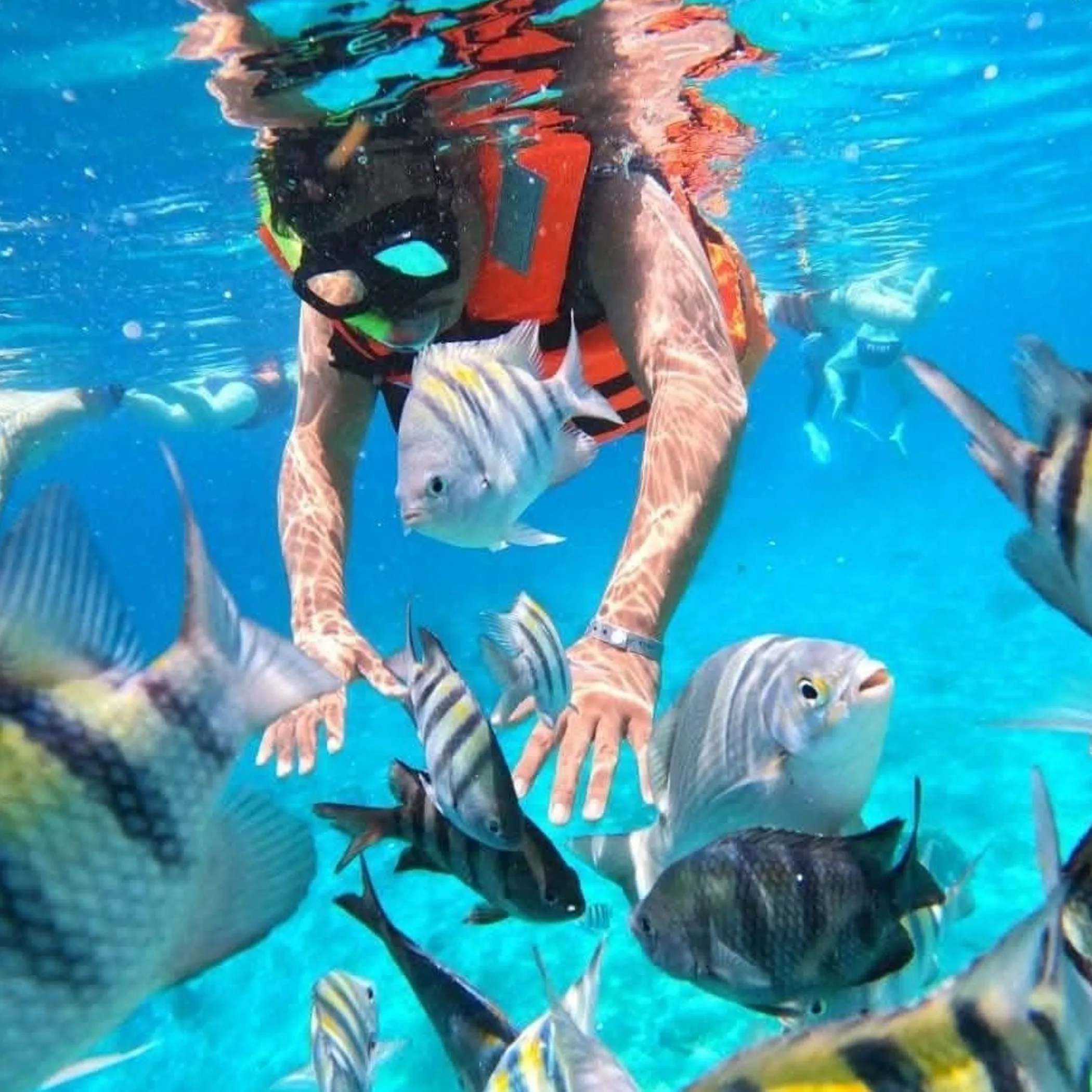
You will find the boats fuller and less room to manoeuvre with popular departures in peak season. The dry season tends to draw the most because of the calmer conditions, the wet season is quieter save for the big holidays.
As for cost, that is a matter of what the operator charges for the vessel, fuel, transfers, meals and so on. I am not going to put forward an AUD figure as to what it costs now only to have it be inaccurate later. Make a comparison of the total in Australian dollars, equipment and all, instead of being drawn to the headline price.
Do not assume low season translates to an empty or cheap tour. Easter, Christmas and New Year can be anything but quiet in the wet and some operators will scale back. If there is a flight or drive to contend with afterwards, check the return time. There is no call for a heroic dash to the airport after a day on the reef.
Match The Season To You
May to October will give you the best of it for visibility, lower humidity and a comfortable ride on the water. But if you put a premium on warm water and flexibility of itinerary over predictable weather, go for the period between November and April. When your time is limited to a single day, make a reputable outer-reef excursion from the point of departure nearest your lodging a priority. Pick an operator with sound safety and weather policies, good site selection and travel times that are not overstated. Should the wind be up, there is no sense in going after some well known spot and getting green around the gills; a more sheltered affair will do you better.
- The season you put aside for this should be one you can put up with in terms of heat and crowds and the odd change of plan.
- Make sure to look over the operator’s cancellation policy as well as the latest on marine conditions and the weather.
- And if snorkelling is to be the highlight of the holiday, put in an extra day.
- Those with less confidence in the water would do well to take the flotation support and supervised equipment on offer.
- Of course, leave the coral alone, whether it is your hands or fins or sunscreen.
Before making a booking, the Great Barrier Reef Marine Park Authority has visitor information on reef protection and the like that is worth consulting.
Frequently Asked Questions
What Are The Best Months To Snorkel At The Great Barrier Reef?
In general, May through October will give you the most dependable and comfortable conditions at the reef, with calmer seas and not so much humidity. Travellers looking for some warmer air ahead of the wetter months might find September or October to their liking, though one must allow for variations from day to day and place to place.
Which Part Of The Reef Is Best?
Outer reef sites from Port Douglas or Cairns present clear water and plenty of marine life for a first timer. But the ideal site is a matter of sea and weather conditions, how the operator can get you there and your own ease on a boat. On a rough day a distant exposed site is no match for the experience of something closer and more protected.
What Is The Rainiest Month In Cairns?
You will find January and February to be the wettest around Cairns as a rule, yet rainfall is not consistent from year to year. While heavy rain can have an impact on visibility, coastal runoff and the running of boats, it does not mean snorkelling is off. Put some stock in the current forecast and not just the monthly figures.
Is It Worth Snorkelling The Great Barrier Reef?
It is, provided the itinerary and site are right. A beginner with some flotation gear or someone who would rather watch wildlife than go diving will find it worthwhile. Not so much if you have an aversion to boats, cannot stand the heat or will not abide by what the safety instructions say.
Can You Snorkel During Stinger Season?
Operators will see to the risk with stinger suits, lookouts and briefings in the areas they designate. That said, marine stingers happen; heeding local advice and reporting any sting is the order of the day, as is steering clear of unsupervised swimming.
Your Reef Planning Takeaway
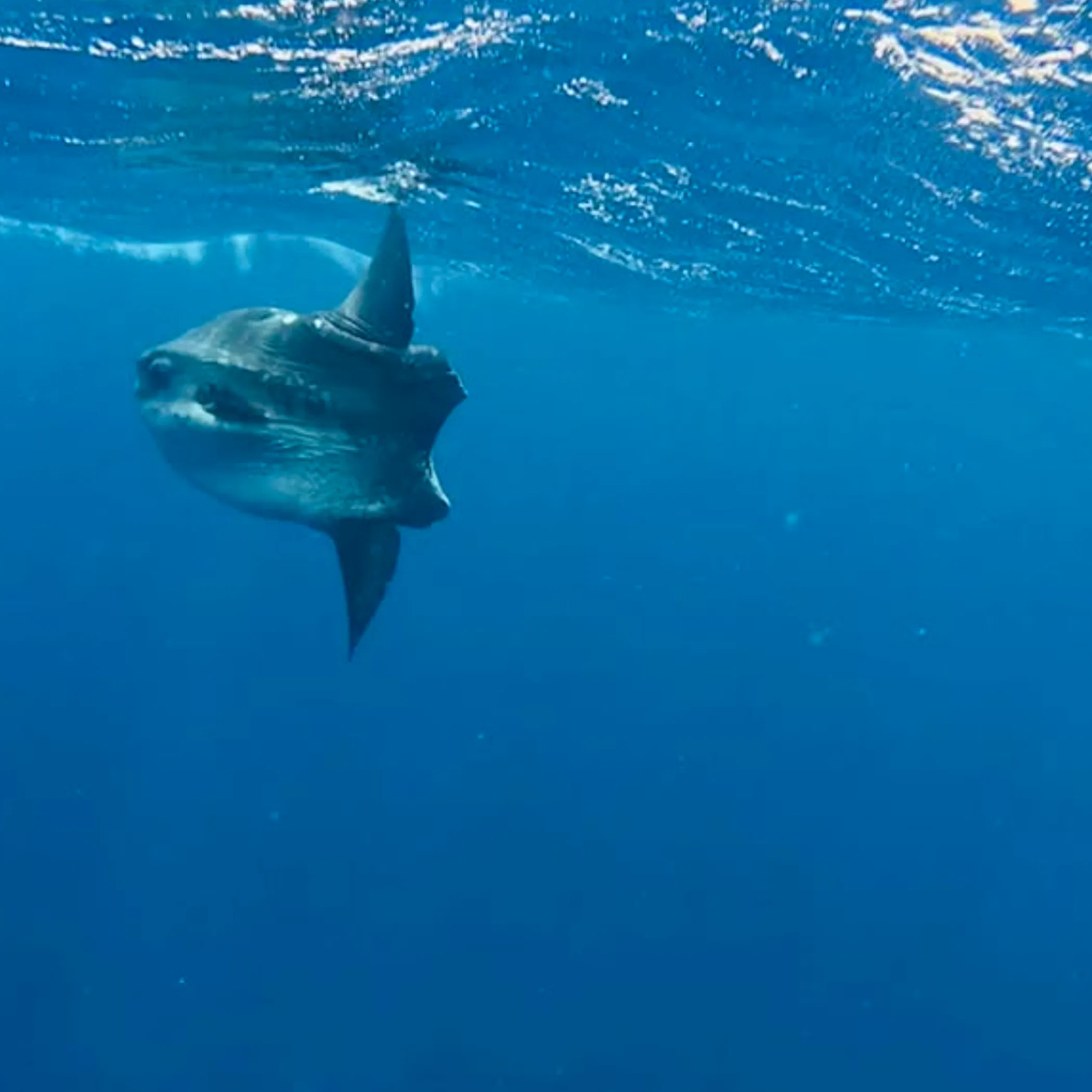
A schedule between May and October is the way to go for easy logistics and good visibility. Or if you want the value and quieter departures of November to April and warmer water, be flexible and respect the tropical weather.
There is no need for a perfect date on the calendar to enjoy the reef, but a sensible operator and a plan that is attuned to the weather are called for, along with the proper safety gear and time to let the ocean have its way. Put on your swimmers, pay attention to the crew and save the mozzie spray for the return to your accommodation.