When it comes to planning for the Australian outback, the distinction between a dry season and wet season is no minor matter. It is the difference between open tracks and clear nights, or an overconfidence that proves very costly in the form of mouldy equipment, swollen creeks and having to put up with boggy detours. Put simply, the majority of travellers will opt for the dry season as being the more comfortable and safe option for a remote camp; but if you are experienced and can put up with the odd storm or road closure, the wet has its own appeal in the north.
Olivia Redfern here. There is nothing like the outback to lay bare any lazy planning. Some will tell you the change of season is a question of temperature. They would be wrong. It is about whether your food holds up to the heat, your tyres can stand the corrugations, your way is unimpeded and if by lunchtime a crossing that looked innocuous enough is now a firm no.
The Short Answer
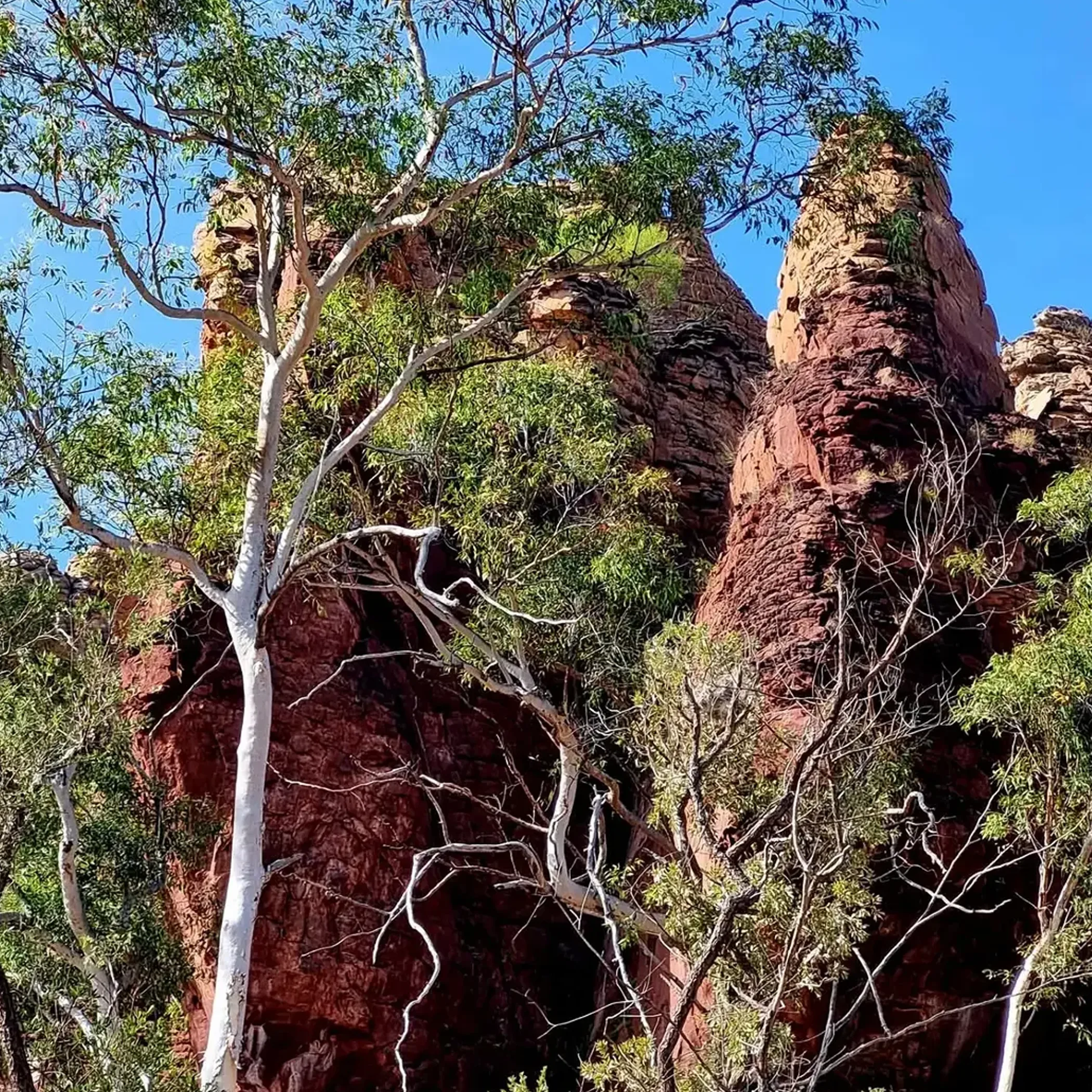
For those wondering when to make the trip, the dry season is what you want if you are a first-timer or have a two-wheel-drive and are after less risk and more dependable camping. It’s important to consider the best seasons for NT camping. The wet can be well worth it for the dramatic skies and the lack of other people in the far north, provided you have the discipline for it and are not averse to humidity and taking local advice on board.
Then again, there is no one rule for the whole of Australia. In the Top End and Kimberley the wet-and-dry dynamic prevails, whereas in the Red Centre you are looking at winter’s cold desert nights and the need to stay out of the summer heat.
A Matter of Timing
Do not let the travel graphics fool you into thinking the outback is a monolith of a weather system. The inland desert and northern Australia are two different beasts, so your itinerary should be dictated by the region and not when your leave is booked.
One makes the mistake of equating “winter” across the board. In Darwin it is peak comfort. Make the same assumption near Uluru and you will be greeted with fine days and a night-time chill that has your inexpensive sleeping bag feeling like an affront.
Top End And Kimberley
Take the Top End around Kakadu and Darwin, or head to Broome and the Gibb River Road in the Kimberley. The dry is with us from May through October, the wet from November to April or so. Monsoonal rains and cyclones in the Northern Territory will see 4WD access change in a hurry and flood warnings issued.
Travellers wanting to know the best time for a bit of NT camping will do well to look at access. In the dry you can count on lower river levels and predictable campgrounds. Come the wet and some places are off limits, a scenic flight may have to stand in for your driving and a “we will see” attitude is ill advised.
Red Centre And Inland Deserts
It is a different story in the Red Centre and the long hauls off the Stuart Highway to Uluru. Lacking a tropical split, you have to decide if you can put up with punishing heat or prefer something more tolerable.
Central Australia is friendlier for a camp in the cooler months. Summer is as rough as they come with the strain it puts on your vehicle and the dehydration danger. Winter is good for a hike but the overnight drop in temperature will take many a newcomer by surprise.
And Then There Is The Road
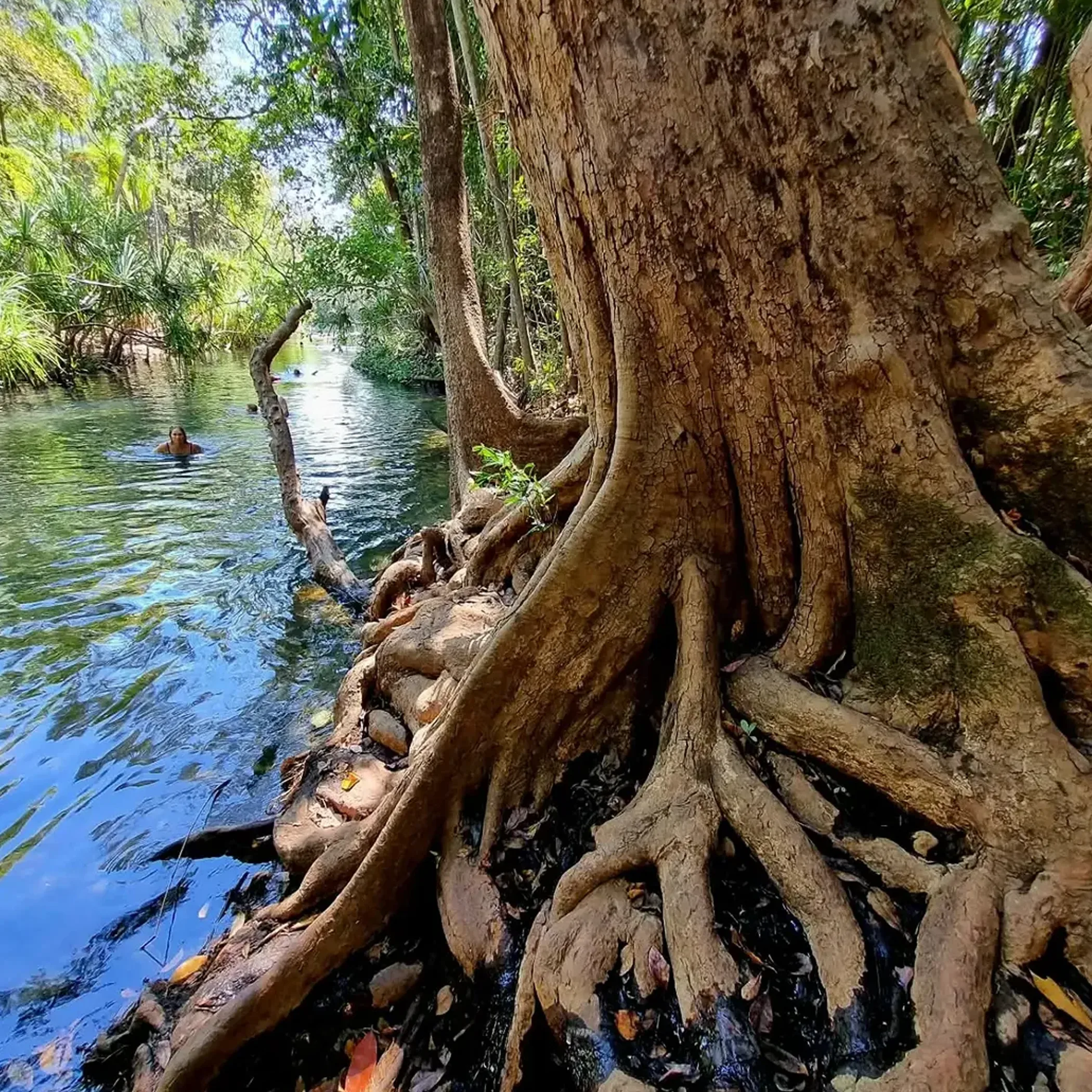
Here the theory ends and you start parting with cash. Your choice of season will have an impact on everything from insurance and fuel to tyre wear and whether you are behind the wheel or in a roadhouse with a toastie you had not put in the budget.
You may have in mind a photo op at a river crossing. More often than not the reality is soft shoulders, washouts and a long wait for someone to check conditions.
Even in the dry
Australia’s major 4WD and touring routes are more reliable in the dry but do not mistake that for easy. A vehicle can be rattled apart by corrugations and bulldust is apt to conceal things better left unseen. Plan accordingly for the distances to the next fuel stop. The first time I put the Gibb behind me in May I fell into an amateur’s trap and assumed “road open” was code for a smooth pootle with the podcast on. One could not have been more wrong. In those early days of the opening there were slow stretches, you had to be mindful of your tyre pressures and anything unsecured in my Corolla (or its spiritual equivalent in my head) would rattle itself to pieces. For all that, dry season is the wiser way to go on the Gibb River Road, but it demands a good vehicle and patience.
Wet Crossings And Closures
In the outback during the wet season the state of the road can be transformed in a matter of hours. What you could get through yesterday may be closed today on account of some rain upstream, despite the sky over your head looking benign. Any optimism will be extinguished at a river crossing or on the floodplains.
Heavy rain will see many unsealed roads in the north and certain national park access routes shut down until they are graded and have dried out. Do not put stock in old forum posts when current road advice and weather warnings are available. The Bureau Of Meteorology has what you need in the way of official forecasts; consult them before you set off and while you are on the road.
| Region | Typical Easier Period | Main Wet-Season Issue | Vehicle Reality | Best For |
| Top End, Northern Territory | Roughly May to October in the dry | Flooding, road closures and humidity | Sealed routes require checks, 4WD for the remote bits | Experienced types in the wet, novices in the dry |
| Kimberley, WA | Dry months from about May to October | Isolation, track damage and river crossings | Off the main sealed roads a high-clearance 4WD is a must | Scenic 4WD work in the dry |
| Red Centre | Shoulder periods and cooler months | Tropical flooding is less of a concern than summer heat | Major sealed roads are fine for a 2WD, remote tracks call for 4WD prep | Those who prefer their logistics clear and the days cool |
Comfort Changes Fast
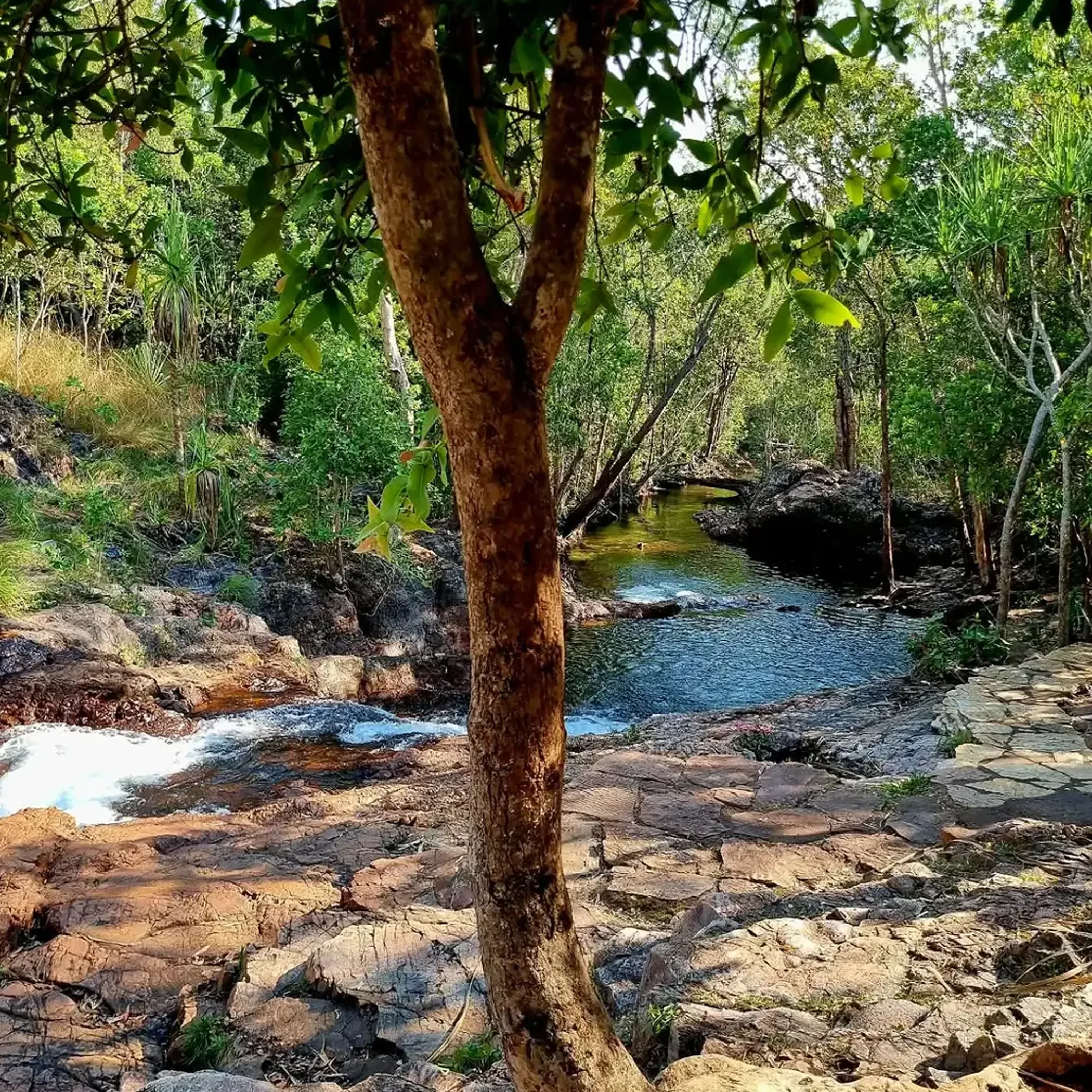
One can make a trip technically possible and yet it will be an ordeal if the season is beyond one’s tolerance. You will find people wax lyrical about the scenery but it is comfort that dictates if you are going to eat well, sleep and remain sensible at the wheel.
The north in the dry is easier on you, with less humidity and better sleeping. Then you have the wet with its dramatic storms and lushness, but also the kind of sticky discomfort that puts a strain on everything, to say nothing of the mozzies and mould and sweat in your bedding.
Heat, Humidity And Sleep
There is no joking about the heat and humidity of a Top End wet season. If you do not have adequate airflow your overnight recovery will be poor and condensation and mould will take hold of any canvas. Even the most mundane camp chore is a sweaty business.
Camping in the northern dry is as a rule more congenial for getting around and putting in a night’s rest. But do not be deceived, the days are hot and the red dirt and rock of a bare campsite will reflect it back at you. Shade is important. As is actually drinking your water rather than just having the intention to.
Cold Nights In Desert Country
What are the nights like in the Australian outback? Inland desert country in the cooler months will be colder than many allow for. Dusk comes and the warmth of the day is gone in a flash; a sharp drop in temperature will put an end to any cheap summer arrangements.
I see it as a common error to pack for postcard conditions instead of the reality. A mild afternoon at Uluru or elsewhere in the Red Centre can become quite brisk by nightfall. Have the right layers, an insulated mat and a sleeping bag with a lower rating than you imagine.
Pack For The Season
You will not find much glamour in a sound packing list for the outback but it is what keeps you from trouble. It is a case of nipping boring problems in the bud before they turn dangerous. Most go about it in too general a fashion. Dry season equipment is for dust and self-sufficiency over long distances; in the wet you are after moisture control and traction.
For the dry you want sun protection, spare water and things to stand up to corrugations. Add in fast-drying clothes, tarps, recovery and insect defence for the wet, plus some backup food should a closure put you where you are for longer than you planned.
- Dry season essentials: a PLB or satellite communicator for the more remote travel, broad-brim hat and long sleeves, an insulated mat and warm sleeping bag, head torch, gear for tyre repair, extra drinking water and dust-proof storage for your food.
- Wet season essentials: a good tarp or awning, storage that will not let in water, recovery boards where you need them, insect repellent of a certain quality, camp shoes to put up with the mud, dry bags and an extra pair of socks, a towel that dries in a hurry, some buffer in your food supplies and a plan that has been checked against current road and flood warnings.
Vehicle Prep of Consequence
One could say the practical side of 4WD outback life is dull, but then it would not be as important. Tyres and their pressures, suspension, a spare here and there, fuel range and proper recovery points have more to offer than any amount of bravado. When you put in to remote country, be sure of what your range is under load; do not go by the figures you would get from an easy run in the suburbs.
Costs can mount in a hurry on an outback run of even modest proportions. Fuel will set you back more in these parts, there are permit requirements in certain parks and on Aboriginal land, and you can be looking at thousands of AUD for a tow or recovery in the bush. A tight budget is better served by the dry season and well worn routes where the chance of costly delays is lower.
Safety in the Outback

There is no need for drama when it comes to camping safety. You simply make allowances for the fact that you are a long way from help and reception may be gone, and in the bush a small error can become much more.
Then there is the season. Dehydration, dust and the like are par for the course in the dry. The wet brings its own problems: floodwater, lightning, being cut off by closed roads, and in the north by the coast, stingers and mosquitoes. Not to mention the urge to carry on when stopping is the obvious thing to do.
On Water, Fuel and Contingencies
Make conservative estimates for your fuel and take on more water than you think you will want. An unanticipated slow track or a wrong turn will put in time and distance. With the dust or rain cutting visibility, or wildlife about at dusk and road trains around, driving in late is not to be recommended.
Once reliable reception is behind you a PLB or satellite comms is very sensible. Should the vehicle give up, unless you are in danger, make a point of staying put. In flat country that appears deceptively plain it is easier to find a car than someone who has wandered off.
Matters of Fire, Water and Wildlife
Hot and dry will see campfire restrictions put in place in line with local rules and fire danger. In the wet it is less a question of romance by the fire and more of water on the move and slippery banks; a creek that seems harmless may be fed by something sizeable upstream. And in the Top End one does not have the option of being anything but croc-wise near waterways.
People have a habit of underestimating mozzies. Camping in the NT in the wet means you will come under mosquito pressure in many a spot, particularly after a rain or close to water. To be functional and get some sleep you will want the right clothing, shelter and repellent, they are hardly luxuries.
Some Notes on Planning in the NT
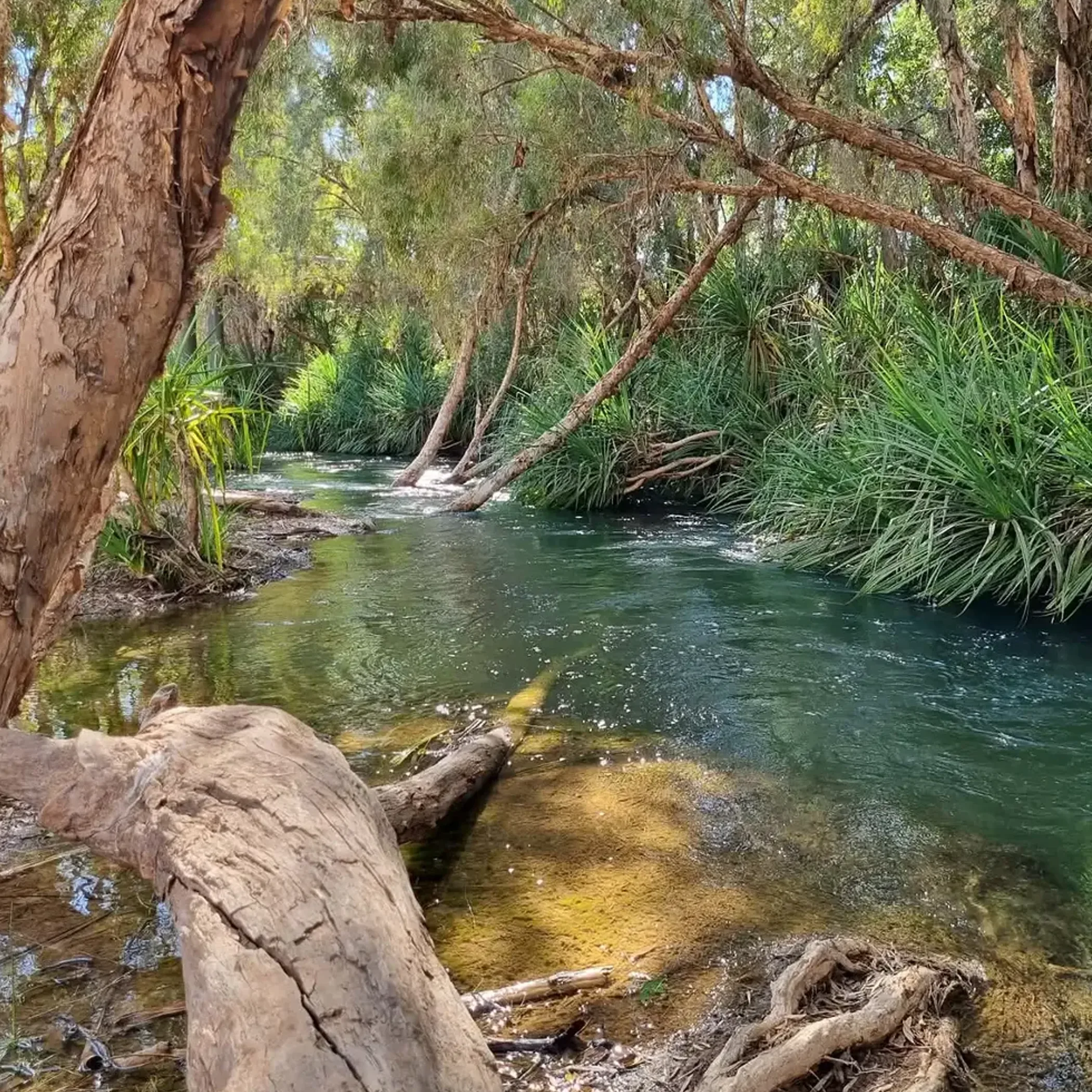
The subject of seasons in the Northern Territory is raised often, given it is home to both desert and tropical conditions and a place where travellers will overpack for one and be ill prepared for the other.
Darwin and the Top End are best done in the dry for touring the roads and campgrounds. With Uluru and central Australia your concern should be to shun the heat and get ready for cold nights rather than worry over whether it is wet or dry.
Routes in the Top End
You can make short work of some dry-season touring from Darwin on sealed roads, though national park conditions should be verified. Book camps in the popular haunts during the peak months and be realistic about drive times. The map will tell you a distance is no trouble until you factor in a fuel queue, a couple of photo stops, some roadworks and a campground access road that is not so flat as it looks on paper.
For a single day in the Top End, resist the impulse to cover half the map. Pick an area with good water and access and leave the more demanding side trips for another time; there is little point in having to drive in the fading light while you are tired.
Logistics for the Red Centre
Getting in via the Stuart Highway is simple enough, but the remote tracks are more of a test. While you will not have the same trouble with parking and access at the big attractions as in the far north, the weather will be more of an exposure than you might think. When time is of the essence, make a major base area with an established campground and some early-morning walks your priority; you will not be doing any big-distance day hops.
A beginner might think otherwise, but the isolated tracks after a hard rain or the wet-season crossings way up in the far north are no place for one. Outback travel is best approached by the novice on dry-season routes where there is enough traffic so as not to be completely alone and where fuel stops and access details are a given.
What People Get Wrong
Olivia Redfern would put it this way: they mistake “I have done my share of regional road trips” for being ready for the remote areas, and they see popularity as something of an exaggeration. The outback will be generous to those who show it respect and petty to those who do not.
There is a tendency to underplay drive times, to think every camp has water, to treat storm season as a scenic diversion, or to put too much stock in a weather app. It does not tell the whole tale. You will do better to heed local road reports and what the rangers have to say, and to factor in the overnight drop in temperature.
- Dry season myth: open roads are not synonymous with easy driving; corrugations and dust will make short work of poor preparation.
- Wet season myth: the fact that it is not raining at your position does not mean the road is open, upstream rain can shut down a crossing in a hurry.
- Desert myth: a hot day in the desert does not preclude a night that is properly cold.
- Budget myth: camping is not invariably cheap once you add in the cost of fuel, permits, repairs and the like.
- Confidence myth: a standard SUV is not to be considered a 4WD; clearance and recovery capability are what count.
Final Takeaway
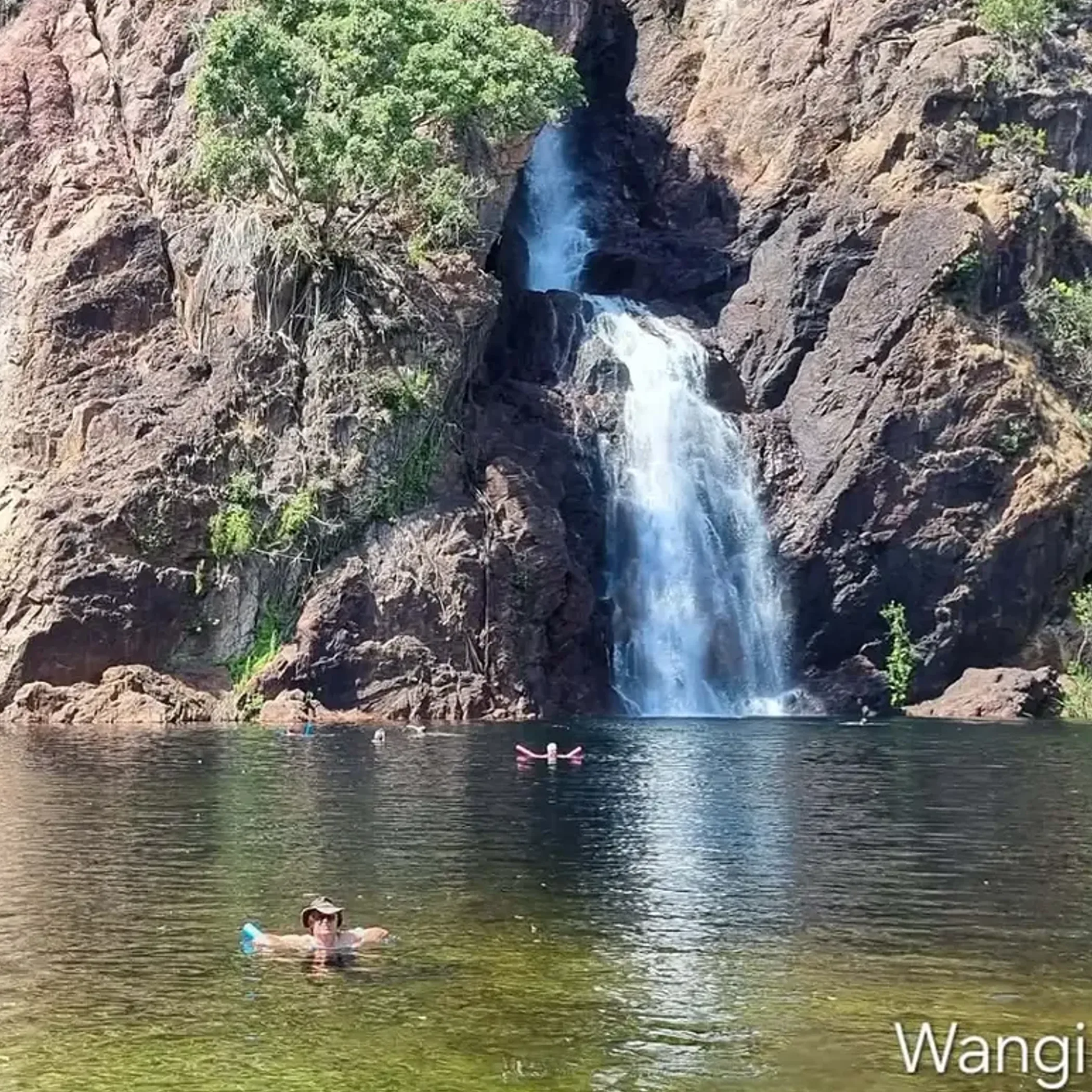
The easy answer is to opt for the dry, particularly in the Kimberley and Northern Territory, for the gentler learning curve and simpler logistics. The wet is for those who are well equipped and at ease with the fact that nature has no regard for your plans, and who can cope with closures.
Most should visit when the region and their own abilities align, not because of some appealing photo on the internet. Do your planning on the track, the weather, your sleep and even the unglamorous safety gear. It is what makes for an outback trip you will remember for all the right reasons.
Frequently Asked Questions
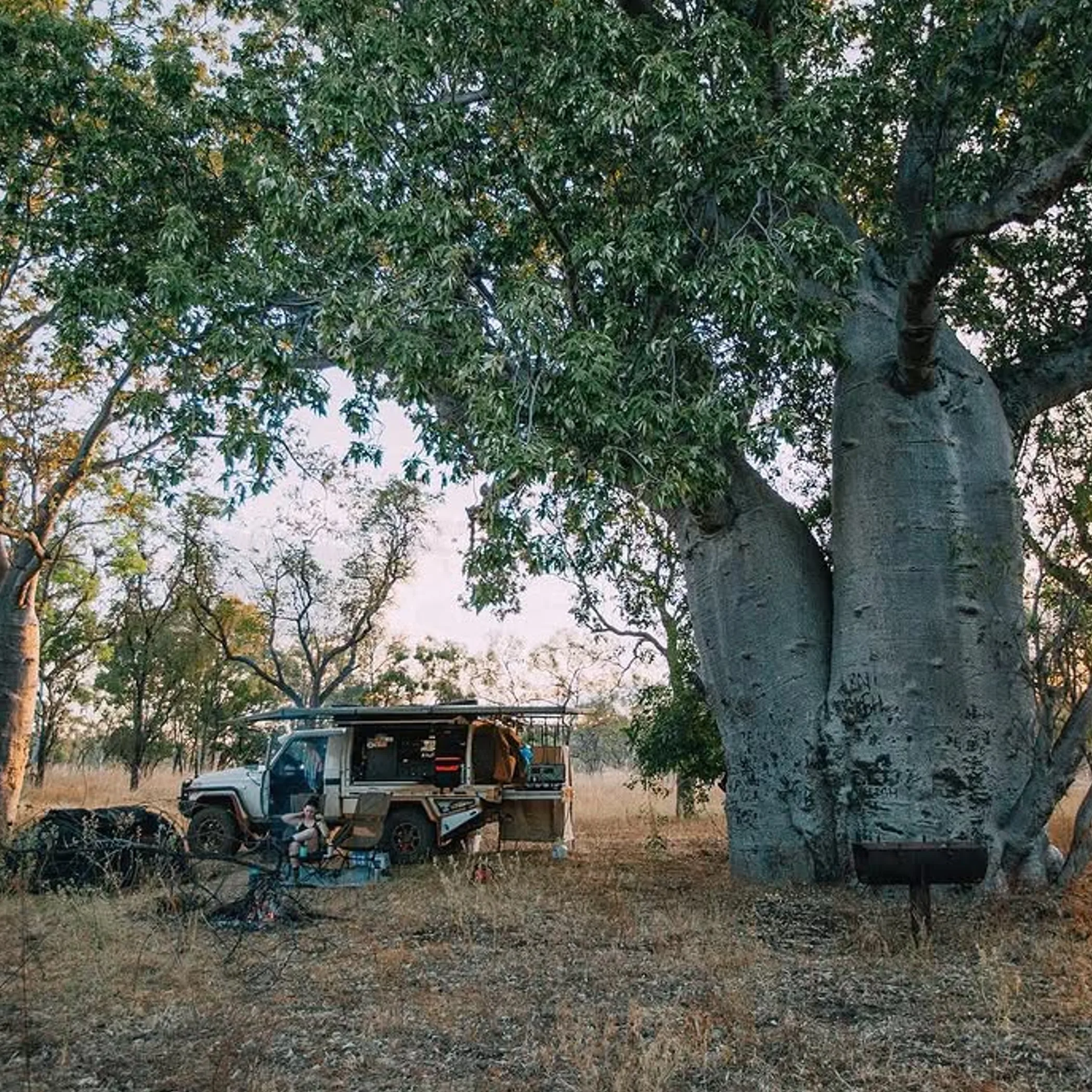
Campers want to separate the hype from what is real and I get asked these questions most often. The bush has a way of giving weight to simple things.
Is Australia Getting Wetter Or Drier?
You will not find a tidy national answer, it is a matter of season and where you are. There is still the usual wet-and-dry dynamic in the north, whereas the south and inland are subject to more extreme swings and hotter conditions. Put aside generalities and go by the regional warnings and forecasts when you plan.
How Cold Does It Get In The Australian Outback At Night?
Surprisingly cold in semi-arid and desert country in the cooler months. Overnight drops can be severe even if the day was warm, necessitating good insulation and a sleeping setup to match. The Red Centre is where people are apt to be caught out.
What Is The Difference Between Dry Season And Wet Season?
Up north the dry offers lower humidity and more dependable camping, the wet will have its monsoonal rains and storms, mosquitoes and flood warnings to contend with, as well as a higher probability of difficult river crossings and closed roads.
What Are The Dry And Wet Seasons In Australia?
From May to October is typically the dry in the tropical north (Northern Territory, Kimberley) and the wet runs November to April. Inland in the deserts one is more concerned with the heat than whether it is wet or dry.
Is Wet Season Outback Camping Worth It?
For the right sort of traveller, yes. With some experience behind the wheel in remote country and an attitude that is realistic about delays, the Top End can be spectacular in the wet. But if you are a beginner or have young kids in tow or fixed dates to keep, you would be wise to stick with the dry.