It is the weather in Victoria that will determine if your road trip is of a charmingly scruffy variety or devolves into you, three children, a wet esky and a pie from the roadside servo at 4 o’clock. To put it plainly, autumn is the all-round choice for most; summer is fine for the beach so long as you can work around the heat and the hordes; the Victorian Alps and some cosy inland getaways are winter’s domain; and spring is lovely provided you have the stomach for Victoria putting on four seasons before you have had lunch. For those planning family trips, it’s important to consider the optimal seasons Victoria family drives.
I am Olivia Redfern and my short answer to when to visit is March or April. For the kind of comfort one wants on a broad road trip there are better odds of pleasant driving to the Great Ocean Road, the Grampians, Phillip Island or Bright with milder temperatures and daylight to spare. Then again Victoria does not fit in a neat box. With alpine snow, coastal winds, the bushfire season and school holidays to factor in, what is right for you is a matter of who is in the car and where they are headed.
Things to be aware of
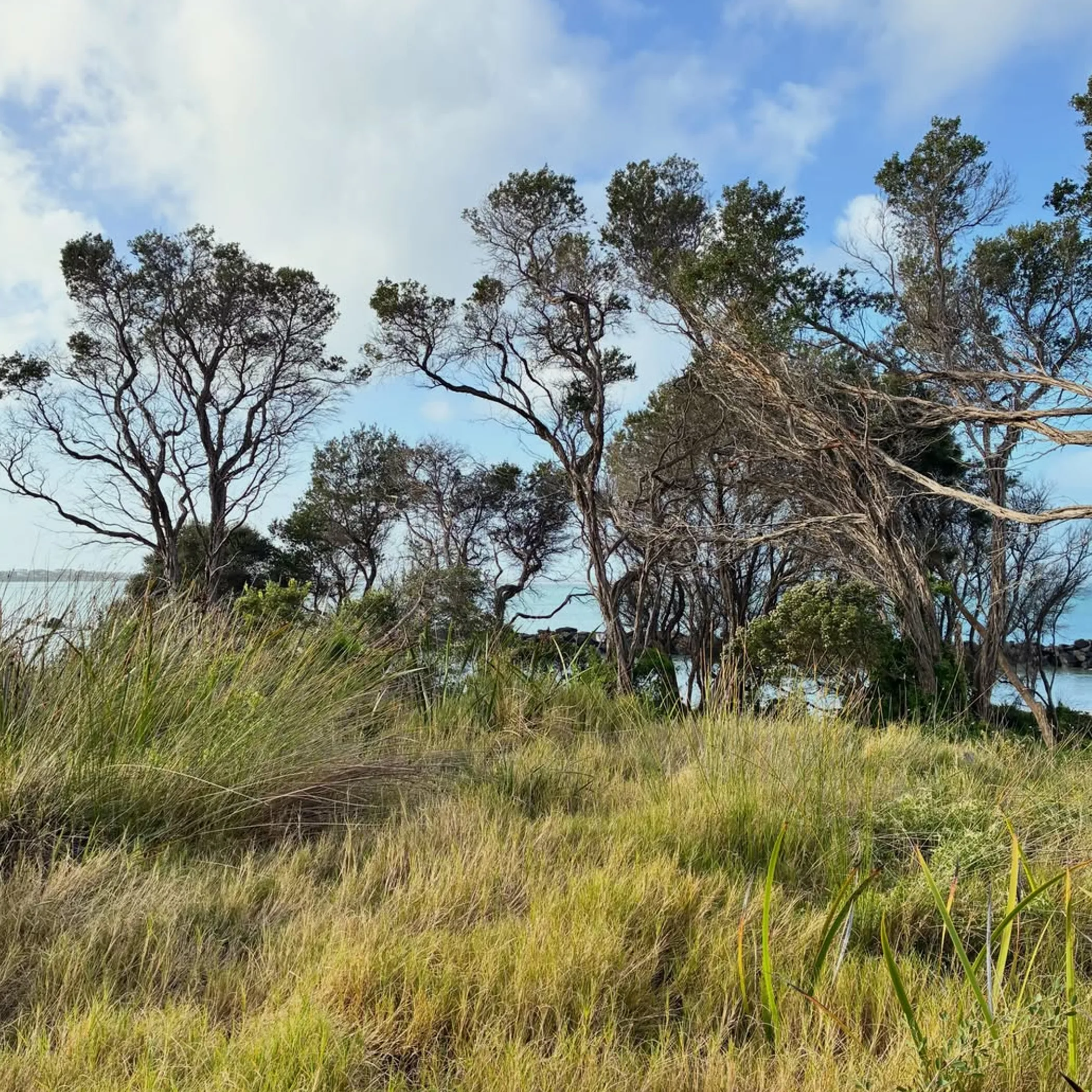
You would be hard pressed to find another Australian state as compact as Victoria on the map but the weather has no time for boundaries. Put on a jacket in Melbourne and by lunch you are dealing with the heat of the inland, only to be rained on sideways on the coast come dinnertime. Typical of Victoria and rather rude.
When planning, do not rely on a single statewide forecast. The High Country, the Victorian Alps, the Great Ocean Road and Melbourne can be worlds apart in the same day and that has implications for drive times and packing, to say nothing of whether the children get sunburnt or muddy.
The climate is temperate in theory but on the roads you will want to know the conditions, not the textbook. Inland warms up quicker than the windier coasts and while Melbourne may be crisp, the alpine areas in winter will have you on your snow chains. For official warnings and outlooks the Bureau Of Meteorology is your best bet. You need to be on top of any fire danger or fog as things can turn on a dime.
Common errors
Do not make the mistake of looking for a “best month” to do everything in Victoria. There is none. The month you would pick for the wineries of the Yarra Valley or to see the foliage in Bright is not the one for the beaches of the Great Ocean Road or to catch the Alps in full snow. And then there is the underestimating of a drive. Two and a half hours on paper can stretch to four with some mountain conditions or roadworks and little fanfare. Add in holiday traffic or wildlife at dusk and a short route is blown out.
Summer (December to February)
This is when the caravan parks and fish-and-chip lines are at their most popular and you are likely to be put to the test in patience and in finding a public dunny in a seaside town. Summer in Victoria has its rewards for the family in the way of long days and easy coastal access, but you must contend with the risk of bushfires in forested and inland parts, not to mention the congestion of the school holidays.
The Great Ocean Road and Phillip Island draw crowds thanks to sea breezes that take the edge off. Even so the weather here is milder than in northern Victoria and a strong wind can leave everyone worn out by mid-afternoon. If you have a day to spend I would recommend a shorter coastal run from Melbourne such as Torquay to Lorne or Apollo Bay and back; beginners would be better off than trying to put in the miles to every lookout on the map.
In practice
One envisions open roads and water to die for. More often it is stop-start getting out of Melbourne on a Friday, a shortage of parking in the beach towns and the kids wanting something to eat 17 minutes after they have been fed. Bitumen is soft in the heat, glare will have you fatigued and a car left to park is an oven. Head inland to the High Country or Grampians and you will find temperatures put coastal strips to shame; make sure to have more water with you than seems reasonable, and then some.
Summer Tips To See You Through
- On a busy holiday weekend get out of Melbourne early, 7 am at the latest.
- In the school holidays you need to be booking in the coastal towns weeks in advance.
- And before you set off do yourself a favour and look up fire danger ratings and any road that may be closed.
- Have your shade gear, electrolytes, SPF and hats ready for when you pull over.
- Don’t be tempted by a long dusk drive in the country, kangaroos are no joke then.
Then there are the costs. A family room on the coast might be AUD 180 a night in the shoulder of the season but expect to pay between AUD 280 and 450 in the holiday hotspots, location permitting. Parking in regional haunts is free enough, though if the bays are taken it is a matter of time and aggravation.
Autumn Drives With Some Breathing Room
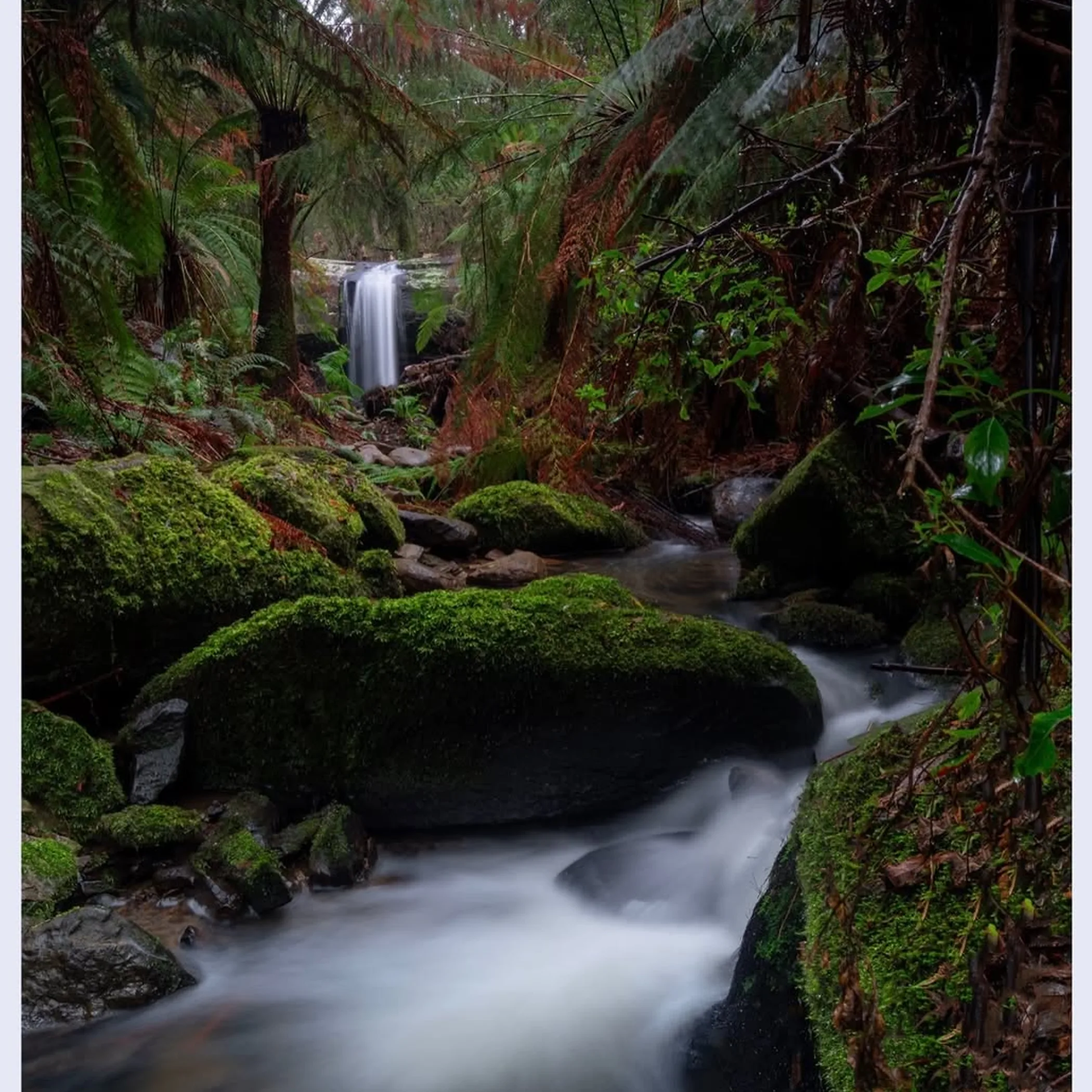
When asked for the right time to put in a road trip in Victoria Australia I am apt to suggest autumn, March through May. The weather tends to settle down, the worst of the summer heat recedes and without the peak holiday crowds the roads are not so much of a shambles.
Olivia Redfern would say it is as close as Victoria comes to putting on a show without making a fuss. Mornings are crisp, the days are good for driving and the landscape has a way of looking put together rather than frazzled.
The Best Of Autumn
Bright and the High Country put on a display with their foliage and touring roads, cool nights and all. Winery tours are fine in autumn too, one can linger outside in a civilised fashion instead of being made to sweat. The Grampians are well worth it as well; the walking tracks and vantage points are more agreeable than in the height of summer. Even in Melbourne the weather is more to one’s liking in March and April, which makes leaving the city for the region less of an ordeal for the family.
Why Families Should Make It An Autumn Affair
It is the optimal season for a Victoria family drive if you want to be flexible and not tied to a theme like the snow or the surf. There is better value to be had away from the major peaks and less in the way of extreme conditions, young kids will sleep easier and the heat is not such a strain.
One thing to watch for is how the temperature drops in the evening in elevated or inland parts. You will be in a T-shirt one minute and rooting around for a jumper under a packet of old rice crackers and pool noodles the next.
Winter: Snow Or Sea
June to August divides the road trippers in Victoria into two. There are those for their gumboots, hot chips and snow and those who would prefer to feel their toes and steer clear of black ice.
If alpine scenery or a proper cold-weather experience is what you are after, winter is the time to come. It is not for the kind of carefree touring you might do in other seasons, but with a little planning and no pretence that your hatchback is indestructible it can be very good.
Alpine Trips As They Should Be
Interest in the Victorian Alps is at its height in the snow season with families making for the resorts in the High Country. In the declared alpine areas you may need snow chains on the roads; it is cheaper and you won’t be flustered if you hire them beforehand.
A word to the uninitiated: do not attempt your first mountain drive in active snow with a vehicle full of things and children past their bed time. If that is the case, make for Daylesford or the Macedon Ranges, or put up on the coast near Phillip Island, and keep your day trips short.
A Winter On The Coast
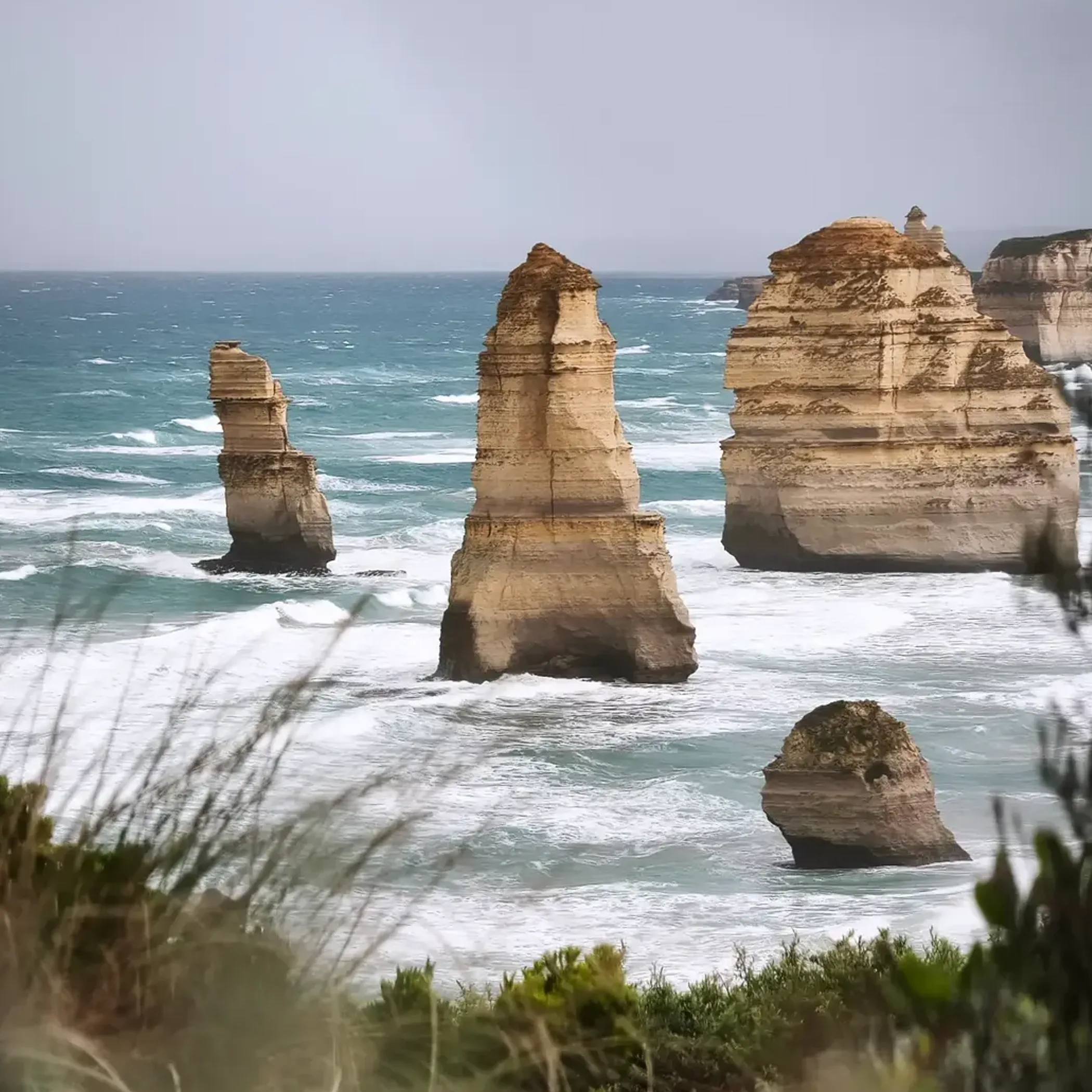
There is a moodiness to the Great Ocean Road in winter. You have the whale season and the lack of crowds and dramatic skies, but also the rain squalls and low visibility and a cold wind off the coast. For those who don’t mind appearing a bit wind-bashed in a photograph it is lovely.
Factor in coffee and toilet breaks and the wet, gusty conditions that make people put their foot down less, and what the map says is a doable route will be a plod for the whole day.
Spring For Those Who Like To Put In Some Miles
There is a certain agreeable risk to spring, which runs from September through November. You have the flowers and the lambs in the paddocks, the state has put on a fresh face, yet the weather is capable of turning from fine to chaotic at a moment’s notice.
Provided you are not put off by such uncertainties and pack with some sense, it is a very good time for an itinerary with some variety; one can have coast and country and a short walk or two without having to pay peak-summer rates.
Where to find the best of Spring
The Grampians, Mornington Peninsula, Phillip Island and the like are all attractive in spring when the winter rains have put some colour back into the landscape. In a practical way that translates to better picnic spots and walking conditions, and you are not as likely to be driven back to the car by 11 am in the full force of the heat.
On the coast however, spring is as changeable as it is windy and showery, to be sure. A “perfect” outfit is of little use if you do not layer up; waterproof shoes will prove their worth in no time.
Regional variations: Coast, Inland and Alpine
Do not expect much of value from a forecast for “Victoria” when planning a road trip. The differences between regions are what count, and knowing them allows you to pick a route in keeping with your appetite for crowds, cold or whatever else may come.
Below is a guide to what you can expect in Victoria by season and region.
To put the climate in perspective, Melbourne does not have a wet season to speak of but will give you rain all year round; in the winter to spring period it is apt to be grey and showery. Which is precisely why a sunny forecast you saw three days prior should not dictate how you pack for a Victoria road trip.
Some Practical Prep
In this state good planning is about doing away with the kind of hassles that are not worth the trouble. It is something the traveller who is ready for a swing in the weather, or a lack of parking, or the fact that a child and a cold wind are never going to be friends, will be rewarded for.
Then there is the logistics. Be it a home departure or a car from the airport, most of these trips out of the regions are done from Melbourne. A return loop is preferable to a there-and-back sledgehammer of a drive to avoid tiring the driver.
Vehicle and packing essentials
Make a sensible list: layers, something to keep the water off, sun protection, first aid, cables, a refillable bottle, sturdy footwear and snacks that will not turn into a moral lesson by melting. Gloves and beanies for the alpine in winter.
Take a look at the tyres and demister on any rental before you head out of Melbourne and make sure you know the fuel policy. I have known people to find themselves halfway up a range road in the colder months and realise they could not work the heater to save them. Very humbling.
A word on booking and timing
Shoulder dates in autumn and spring will give you the flexibility and room availability you want, and prices that are not so eye-watering, unlike during the school holidays or the height of the snow and summer on the coast.
And be realistic with your time. On paper the run to Apollo Bay from Melbourne is simple enough but once you factor in the traffic, the need for a toilet or food and a child who only gets carsick on the bends, the day will extend well past the estimate on your phone.
Seasonal Hazards
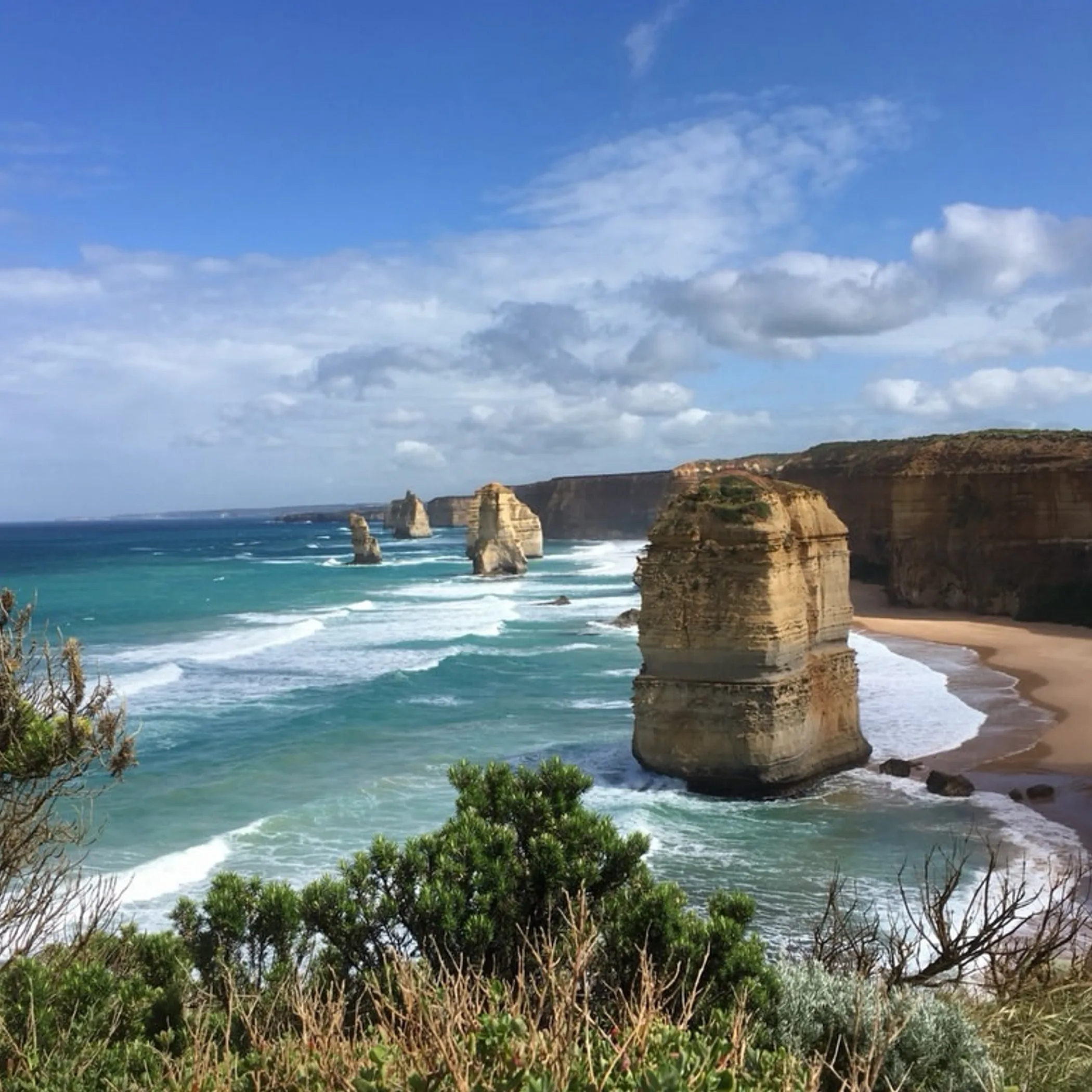
This is the unglamorous side of things but it is what keeps a trip on track. You would be daft to overlook seasonal hazards in Victoria. They are not dramatic every day but common enough. Summer means you have to be mindful of bushfires and the heat, while winter can bring fog, snow and closed roads. Even in spring and autumn a sudden drop in temperature or some heavy rain and fallen branches can be part of the equation.
Some Risks To Be Mindful Of
- Inland, forest and regional routes are at the mercy of bushfire season. A word of advice: heed the warnings prior to setting off and for all that it is “probably still fine” where you are staying, do not put yourself in an area with fire.
- A heatwave will take its toll on tyres and the driver as well as bringing on dehydration. Have some water to hand, not stowed away under your bags.
- Alpine snow and ice can have a quick effect on one’s confidence and braking distances. Should you be at all uneasy, put on the brakes and make way for those with more experience.
- Storms or fires, maintenance work or a spell of snow may see a road closed. Do not rely on what was in place when you made your booking, verify conditions for the day.
- Rural Victoria presents more of a wildlife hazard at dawn and dusk, particularly after a dry run when the animals are out and about for feed and water.
Drives Suited To Your Trip
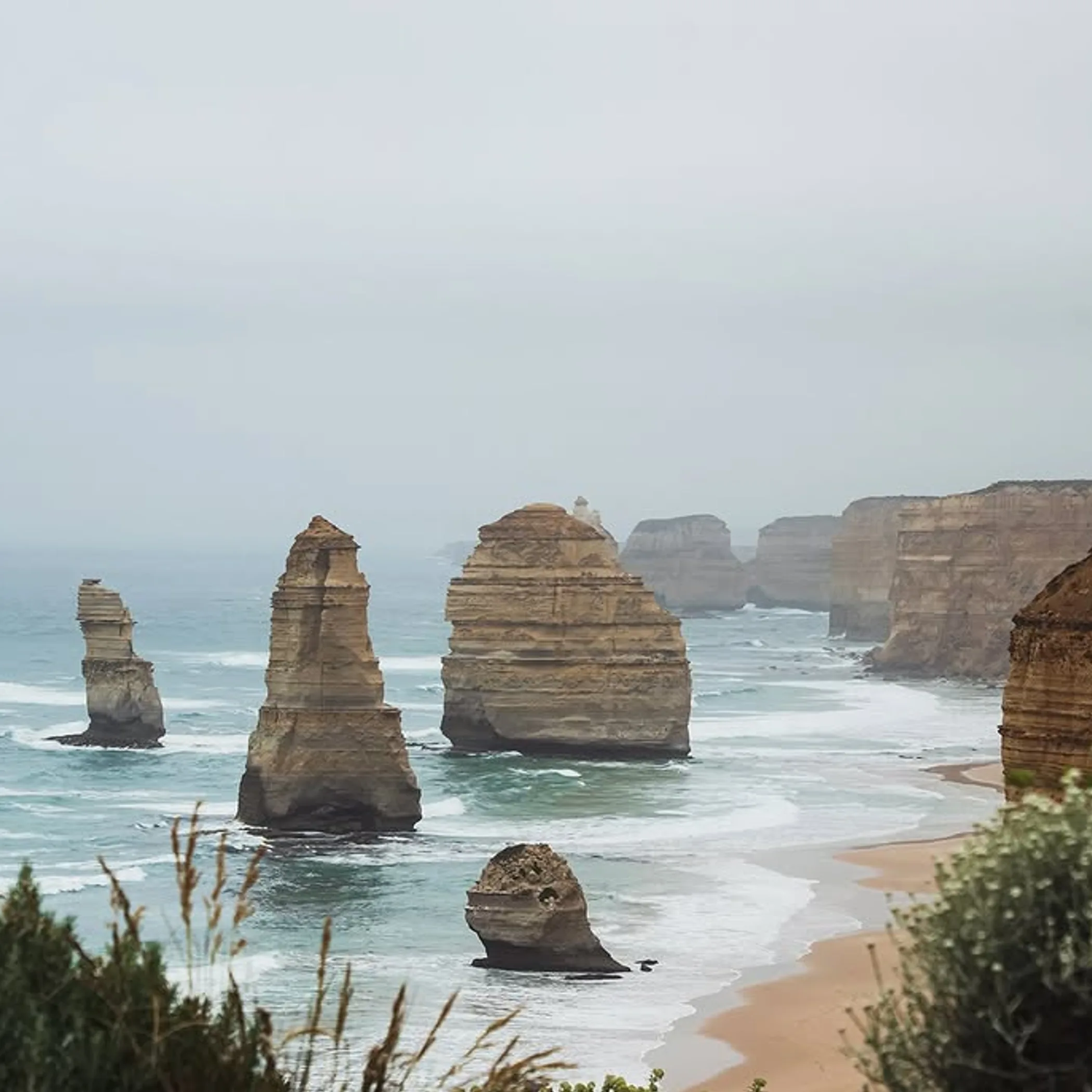
It is the family that dictates the best route, the season be damned. You have your penguin and hot chip contingent, those bent on snow play and then there are the ones who would rather not be marooned in a car seat for seven hours of misery.
To be practical: one day only? Make it Phillip Island or part of the Great Ocean Road. A weekend opens up the Mornington Peninsula, Bright or the Grampians. For something with a seasonal feel, the Victorian Alps in winter and Bright and the High Country in autumn.
A Quick Guide
Phillip Island in the spring or autumn is straightforward and close to Melbourne; the weather can be fickle but it is forgiving for the novice. The Great Ocean Road in autumn has more room and comfort than in the height of summer if you are after some coastal scenery. In April you will not do better than Bright for inland touring in a cooler climate. Families intent on the snow should be in the alpine areas come winter, with chains and lodging sorted in advance.
Then there is the question of what to eschew. An overzealous Great Ocean Road marathon is not for families with small children loath of long days in the car. First time in the alps with active snow? Not for the nervous mountain driver. And unless the plan is short and in the shade, let those prone to the heat give an inland summer loop a second thought.
Frequently Asked Questions
What month is best for a visit to Victoria?
April tends to be a good bet for a road trip in any number of ways: the temperatures are mild, the driving and landscape are to be had without the pressure of peak summer. But it is the route that matters most; go for the beaches in summer, the snow in winter or the general appeal of autumn.
Where does it rain the most in Victoria?
You cannot say for the whole of the state as the regions differ. Winter and early spring are wetter, gloomier affairs in Melbourne and the south, but a road-tripper would be wise to look at the forecast for the destination in question.
And which part of Australia enjoys the nicest weather year in, year out?
A matter of opinion and once you are out of Victoria it is down to whether you like low humidity or a cool night. When planning a drive in Victoria, ask instead which area is right for the season, since the coast and the alps are not the same.
Will 2026 be a hot summer in Australia?
One would not be responsible to offer a definitive answer months ahead of time when the outlook is subject to change. Look to the Bureau of Meteorology for their official forecasts and warnings on heat and fire as your departure date nears.
When is it unwise for families to put in the miles in Victoria?
Steer clear of the extreme heat, any total fire bans on your route, or the holiday exodus from Melbourne if you can. Factor in traffic and fatigue as much as the weather. Active snow is another thing to avoid unless you are ready for it.
In Conclusion
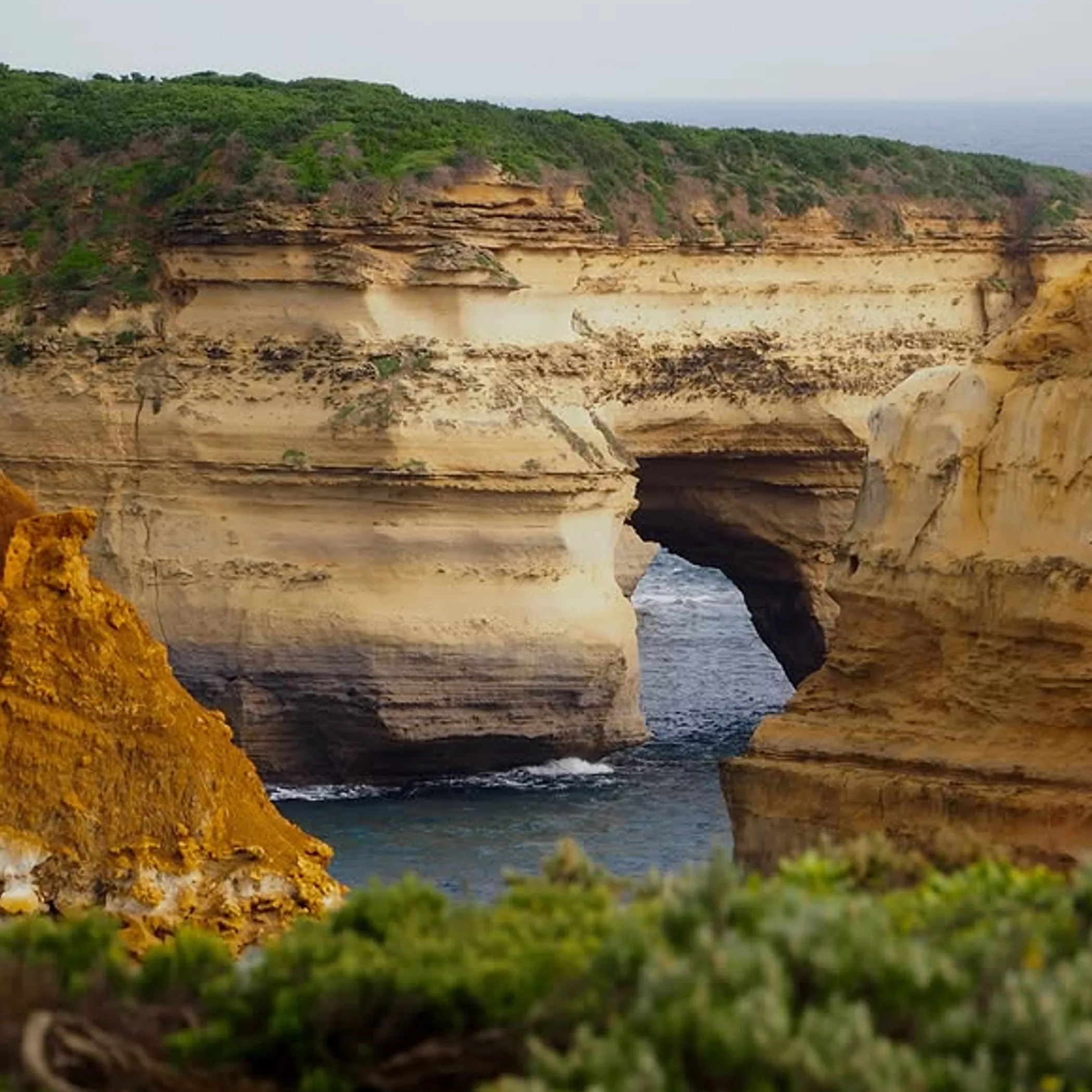
Autumn is the easy and versatile answer for a road trip in Victoria, spring being the alternative unless you are set on the beach or snow. Summer has its risks and is more of a crowd. Winter is fine for the alps and a moody weekend on the coast but demands more of you behind the wheel.
As Olivia Redfern would put it, this is a state for the flexible road tripper who has the sense to pack for the unexpected and show some respect for the region. Do so and Victoria is a ripper for the family. Don’t and you will be out of pocket for a spare umbrella you were sure you put in the bag, hoodies and expensive chips.