Australia’s seasonal home exterior maintenance is a matter of protecting the property from all manner of heat, storms, frost, mould, falling leaves and the risk of summer fire. This guide will show you how. I am Olivia Redfern; one does not have to live in Melbourne for years and put up with its moods to appreciate that while maintaining the exterior of a house has none of the glamour of purchasing a new cushion, it is far more useful.
A sensible checklist for an Australian homeowner ought to address the roof, drainage, paintwork, windows and doors, as well as any safety equipment and outdoor spaces. My advice is to inspect often and in small doses, putting right any minor defects before they turn into leaks and tailoring your routine to where you are. For more detail, see seasonal window cleaning tips. The care required of a townhouse in inner Melbourne is not the same as what is called for on a bush block in Western Australia or by the coast.
Why you should do seasonal checks
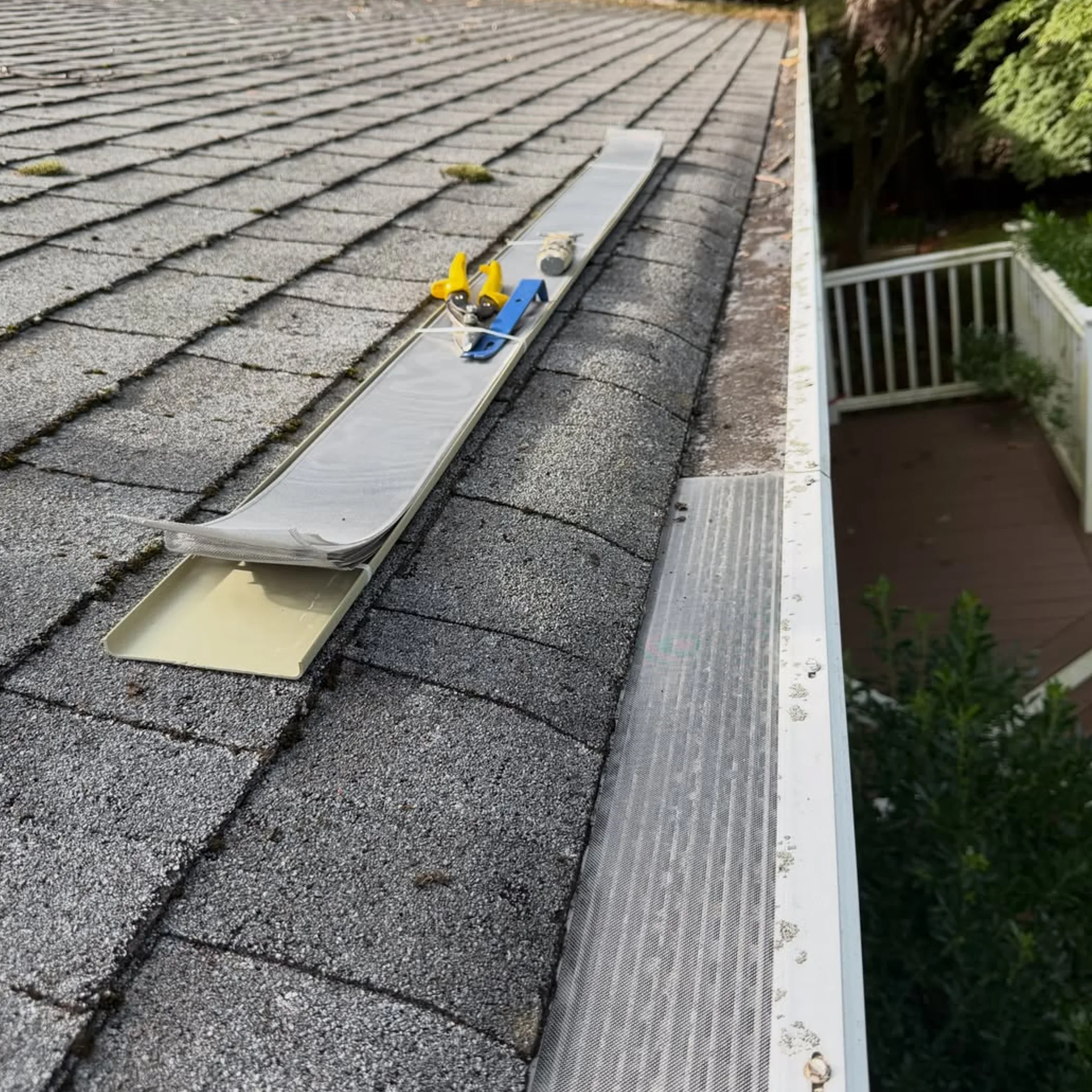
The stresses on an Australian home are considerable: intense UV, coastal salt, sudden wind, hard rain and long dry spells, not to mention bushfire conditions. All of this can leave roof tiles brittle, cause exterior paint to fade and open up cracks in the walls, verandahs and paving. Window and door seals will be dried out.
For the most part problems are quiet at first. A downpipe left blocked can overflow behind a wall; a tile may be loose for months without incident until a wild southerly comes along and takes it. Make regular checks of the place and you can nip trouble in the bud with a screwdriver and ladder instead of wondering why the ceiling is dripping.
A simple rhythm for maintenance
Make it a habit to go round the property after any bad weather or at the turn of the season. Put your ear to it as well as your eyes. You will get your clues from a rattling roof sheet, a door that has taken to sticking, some bubbling paint or the smell of damp.
Put down in writing, with dates and photos, what you have done by way of repairs and inspections. It is easier to spot a pattern and puts tradespeople in the picture. For those who rent, put in a written report of any defect straight away, do not try to fix what is not your responsibility.
Essentials for every season
There are unglamorous basics that belong on any home maintenance list in Australia to stave off water damage and pests and the bills that go with them. Pick a clear morning when things have been dry; a wet surface is no place for a ladder and it will conceal a crack. Have your gloves, eye and sun protection and enclosed shoes on. One does not go on the roof just to avoid a call-out fee.
Trouble spots to look at
- Leaves, silt and standing water in the gutters and downpipes, or in the stormwater outlets and drainage grates.
- From the ground or wherever is safe, check for anything amiss with the roof, be it a leak, rusted metal, a blocked valley or a tile on the loose.
- See if there is any mould, swelling or failed sealant on the window and door frames, locks and flyscreens.
- On the exterior walls you may find flaking paint or dampness.
- Give the decks, stairs, handrails and paving a once over for rot or anything that could be a trip hazard.
- Keep vegetation back from your air conditioning, vents and external power.
- Wash down the patio furniture and bins in the entertaining area and let them dry.
- Ensure the taps, lights, gates and hose fittings are secure and can stand the weather.
Before you put a sealant over a crack, ascertain the reason for it. If it is a fine line it is probably cosmetic, but a widening crack in the masonry or displaced paving is something for a professional to look at.
Summer: heat and fire

With the outdoors seeing more action in summer, it is well to have the area in order before the guests and their children and eskies make short work of finding a loose nail. Your checklist should be concerned with bushfire safety, UV, pests and the odd storm.
Further north the wet season and cyclones between November and April will mean damaging winds and flooding. Down south the hot, dry conditions are a bushfire hazard. Heed local warnings and the emergency services when working outside.
Getting ready for the elements
Before the storms roll in, have the gutters cleared of debris. See that the downpipes are discharging clear of the foundations and the drainage is unobstructed. Do not send roof water onto a neighbour’s land or a path where it will be slippery.
Give the air conditioner a check over for a noisy fan, a filter in need of cleaning or restricted airflow. Make sure the outdoor unit is free of weeds, loose garden debris and anything put out for storage. As for any repairs to fixed wiring or work involving the electricals and refrigerant, leave that to a professional with the right licence.
When wind is in the forecast, put patio furniture, umbrellas and pot plants to rights and see that lightweight decorations are secured. Loose things should be anchored or put away. In the wake of a storm, have a look from the ground at roof sheets, gutters, shade structures and solar panels for any sign of damage or movement.
Bushfire Safety: some practicalities
Remove combustible clutter from the vicinity of walls, doors and windows; trim back overhanging branches and get dry leaves out of the gutters. House numbers must be plainly seen from the street and access gates should be in working order. While a garden hose has its uses, it does not replace a bushfire plan, well maintained equipment or heeding official advice.
The Bureau of Meteorology’s Australian warnings service will have the latest on severe weather, fire conditions and any current warnings. One should be aware that during a heatwave or with cyclone and thunderstorm activity, the situation can alter in a hurry.
Autumn Checks Before Leaves
An autumn home maintenance checklist serves as preparation for the cooler months and the leaves that come with them. It is the season to put right minor exterior defects before winter rain makes an issue of them.
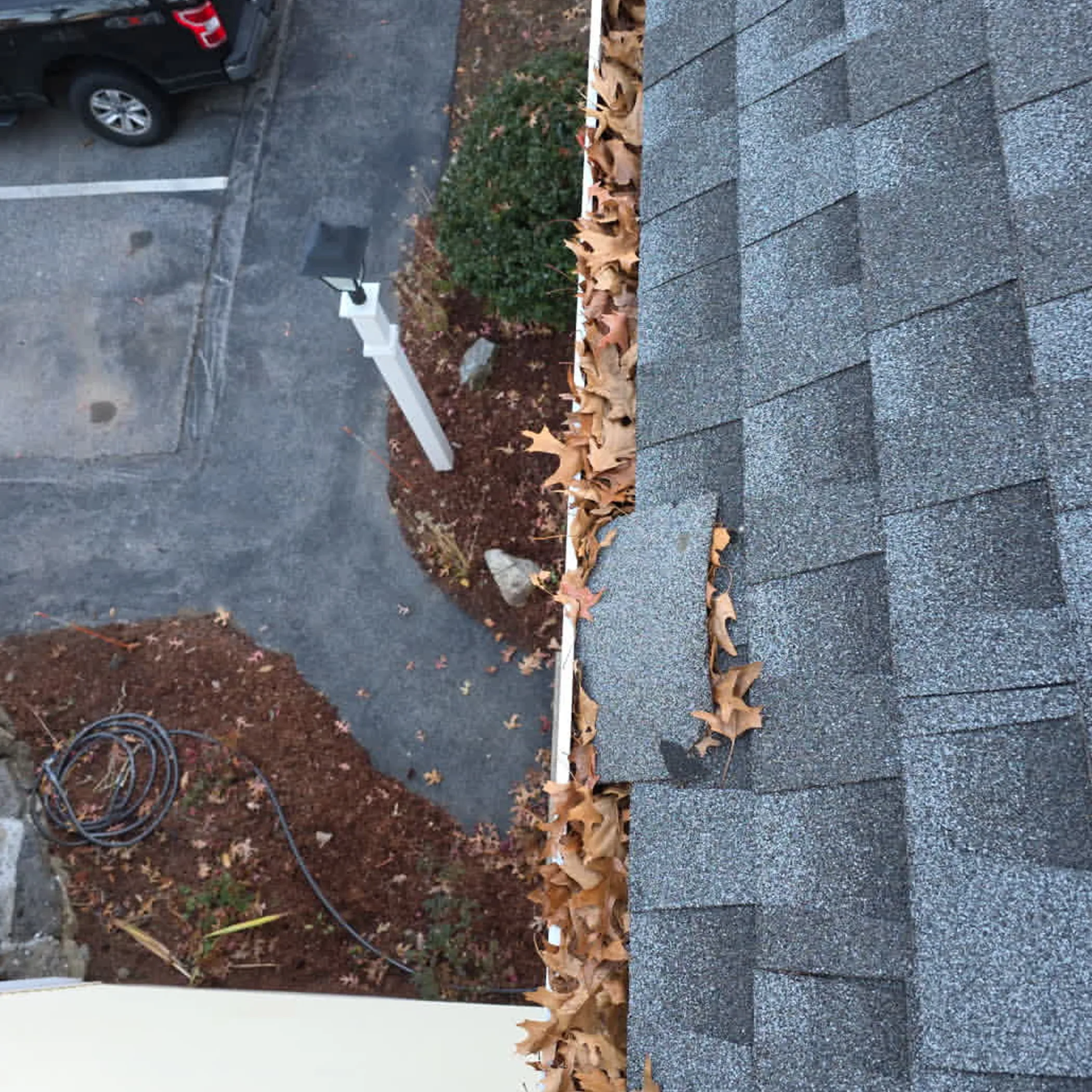
Autumn is more than raking. Left to themselves, leaves in the gutters, between deck boards and in roof valleys will get wet and make a compacted mat of it, blocking water and breeding mould; nature’s own damp carpet.
Clear the way for water
Do not just clean your gutters once a year if you have a lot of trees about. Inspect downpipe connections and be more assiduous with your inspections. The schedule for gutter cleaning Australia wide is dictated by local conditions, rainfall and the like; in a leafy block there may be need for it more than once.
Sediment should be taken from channels and drainage grates flushed. Put it to the test at the next good shower and note where the water goes. Should it pool up against the house or seep towards a door, get it assessed.
Repair Before Winter Rain
Roof tiles warrant a check for chips and cracks but one should not be walking on a steep or wet roof. From a safe vantage point examine the flashing on chimneys, skylights and solar installations. A musty roof space or damp insulation could be telling of a leak even if the ceiling appears in order.
Any flaking paint should be scraped and the surface dried before touching up; find the source of the moisture first. To paint over it is only a cosmetic fix of short duration. Go over the silicone and sealants on windows and doors and put in something fit for the exposure if a section has given way.
With winter comes the need to guard against damp
Deterioration is not halted by the cold, it merely means wet problems are slow to dry and linger. Moisture, mould and slip hazards should be at the top of the maintenance list.
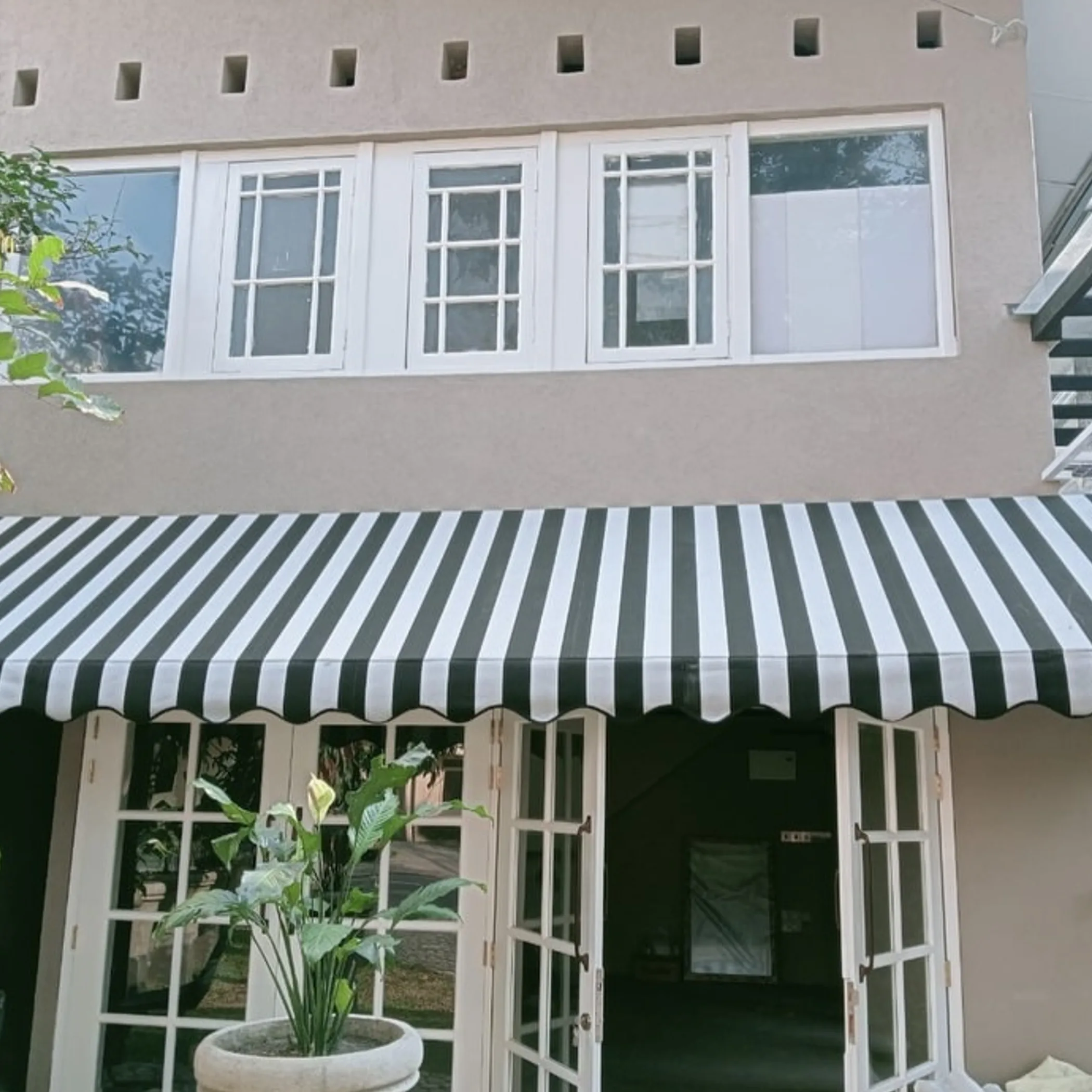
Shaded eaves, awnings and the like should be looked over for mould. Do not let boxes, timber or thick planting trap it against a wall and ventilate as much as you can. For extensive or recalcitrant mould, or where materials may be contaminated, call in a qualified remediation service instead of going to town with a bottle of supermarket spray.
Keep Water Outside
After a rain, see to the seals and tracks on doors and windows, clearing debris so they can drain. An earthy odour, peeling paint or a swollen skirting board can be indicative of water coming in from outside.
Major storms are a time to do another round of the gutters and clear debris from the ground. Saturated soil can put movement in retaining walls and paving joints, so check those and the outdoor stairs. Paths in the winter shade in particular should be kept free of moss and algae.
Maintain Winter Equipment
Heating systems need to be serviced per the manufacturer before they are put to heavy use and external vents checked for obstructions. Combustion vents are not to be covered or blocked. Firewood is best kept dry and at a distance from any ignition source or the eaves.
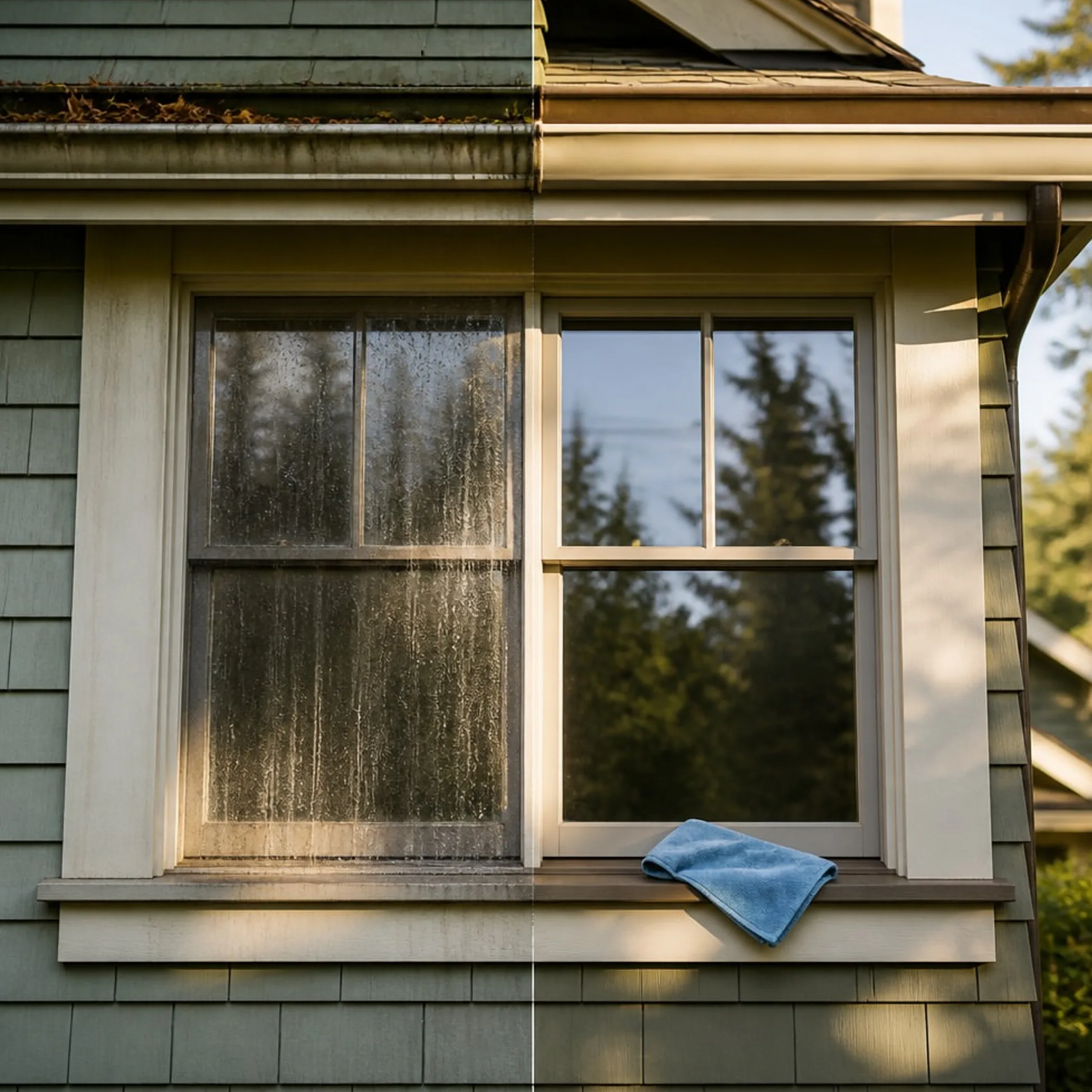
Windows are easier to deal with in the winter when the cooler air means no streaking from rapid drying. Take a shaded part at a time, stand on firm ground and do not lean out. There is no need for strong winds or hot sun to be present when you are at it; just remove the grit, use clean tools and water and you are set.
Spring Renewal For Outdoor Areas

With a spring checklist one can put the property in order for the warmer months, for entertaining al fresco and to deal with the rise in insects. It is an opportune moment to see what damage the cold and winter’s rain and wind have put on display.
The light in spring has a way of being unkind, which works in your favour when it comes to maintenance. It will show up any grime on the windows, paint that has seen better days, mould on the pavers or gutters you would not have noticed from the driveway. Make a leisurely tour of the exterior; there is no point in attempting to make a diagnosis from the kitchen window.
Surfaces And Access: A Refresh
When washing down walls and paving, be mindful of the material. Be careful with high-pressure equipment as it will do harm to mortar, timber coatings, soft masonry and paint if you are not. Put a test run in on some hidden part and shield plants from the runoff and products.
Have a look at the verandahs and decks for water stains, wobbly rails, boards that have gone soft or fasteners sticking out. Only reseal the timber once the weather is right for a thorough dry. See to any rust or weak joints on the outdoor furniture before anyone puts weight on it.
From the ground you can spot cracks, loose cabling or bird droppings on the solar panels. Do not go climbing on the roof or tinker with the electrics; leave faults to a qualified technician and abide by the installer’s advice on cleaning.
Priorities Will Vary With The Region
There is no single calendar that covers all of Australia. What is pressing in one place is superfluous in another, so take the season into account as well as the local building and vegetation conditions.
| Location Or Condition | Priority Checks | What Catches People Out |
|---|---|---|
| Top End and northern WA | Downpipes, roof fixings, drainage, cyclone preparation and pests | Wet-season rain will soon reveal blocked drainage and poor roof fixings. |
| Western Australia’s dry inland areas | Dust, roof seals, water tanks, solar panels and fire preparation | Dust can mask early deterioration and hamper equipment. |
| Coastal suburbs | Corrosion, salt, paint, fasteners, window hardware and decks | Salt will eat away at metal fittings and deck hardware even when the home looks tidy. |
| Cold southern regions | Mould, heating systems, drainage, roof leaks and slippery paving | Shaded paving can remain damp long after the rain is done. |
| Bush or grassland edges | Gutters, vegetation clearance, ember entry points and bushfire safety | Overhanging branches and dry leaves are fuel best kept from the home. |
In the Pilbara or Top End let the wet and dry seasons dictate your checks, not the four-season convention of the south. After a gale, inspect an exposed property. Where it is safe along the coast, a rinse of fresh water will remove salt from the exterior and allow you to check for corrosion.
To DIY Or Not
If the job is low risk and you are on firm footing, then do it yourself. Clearing debris, a wash down of the furniture and windows, noting defects and checking seals are all fine. But there is no honour in putting in a Saturday propping yourself up on a roof like an ibis.
For anything involving the roof, electrical or structural work, major mould or pests, engage a professional with the right credentials. Get a written quote that lays out the cost of access, materials and waste disposal.
Know Your Limits
- If the roof is steep, wet or hard to get to, call in help.
- The same goes for sagging ceilings, active leaks, exposed wires or any sign of a structure giving way.
- Should you come across mud tubes, bore dust or unexplained damage, have a pest inspection done.
- Do not be outside in the event of lightning, flooding or strong winds.
- Keep the ladders and chemicals out of reach of children and pets.
On a day set aside for maintenance, make gutters, downpipes and any safety concerns with handrails or stairs your first order of business. Let the cosmetic painting and furniture restoration wait until you have made the property secure and watertight.
Frequently Asked Questions

What tends to be overlooked?
Often it is the drainage and downpipe discharge. The homeowner might tidy the gutter yet not realise water is pooling by the foundation or escaping at a joint in a downpour. Follow the whole route to the stormwater outlet.
An Australian checklist should cover what?
Roof tiles and leaks, seals on doors and windows, the exterior walls for flaking paint or cracks, the paving, verandahs and decks. Do not forget the air conditioning, heating, solar and any area for outdoor entertaining. Tack on bushfire or cyclone prep as your location demands.
How often with the gutters?
At a minimum every season, or as and when sediment and nests impede the flow. Under trees you will be doing it several times a year, less so in open country. But think about the height of the roof before you make a decision to do it.
Is pressure-washing a given?
Not for every surface. It can ruin the seals, the paving joints, timber and paint. Keep the pressure to what is needed and try it on an inconspicuous spot first. If in doubt, or with a heritage finish, put it to a specialist.
Will a new roof mean I am done with maintenance?
Hardly. You still have to check around the penetrations and solar after a storm and tend to the downpipes. Maintenance will not avert every problem but it is better to find something small than to be hit with an expensive bill later.
Make it a habit
The checklist you want is one you will use again and again. Mark the seasonal inspections, put a camera to any changes and be quick to put right any leak or hazard. There is a good return on this sort of work in the form of a drier house and fewer emergencies. Then put the billy on.